

Touch control alone does not tell you how durable a desk lamp will be. A lamp may respond perfectly in a showroom yet behave differently with another adapter, a different operating mode or a changed surface finish. For a bulk buyer, the useful question is not “Does it have touch control?” but “Which behavior has been approved, and how will the supplier reproduce it?”
Use the following checklist to define touch-control acceptance before ordering. It is a proposed buyer review process, not a claim that every RoyeLamp model has already passed a particular test.
Identify what the touch control actually operates
First distinguish an integrated LED desk lamp from a lamp that uses replaceable bulbs. A compatibility statement for one design should not be applied to the other. For replaceable-bulb touch dimmers, request the manufacturer's approved bulb specifications; for integrated LED lamps, review the supplied light engine and control system together.
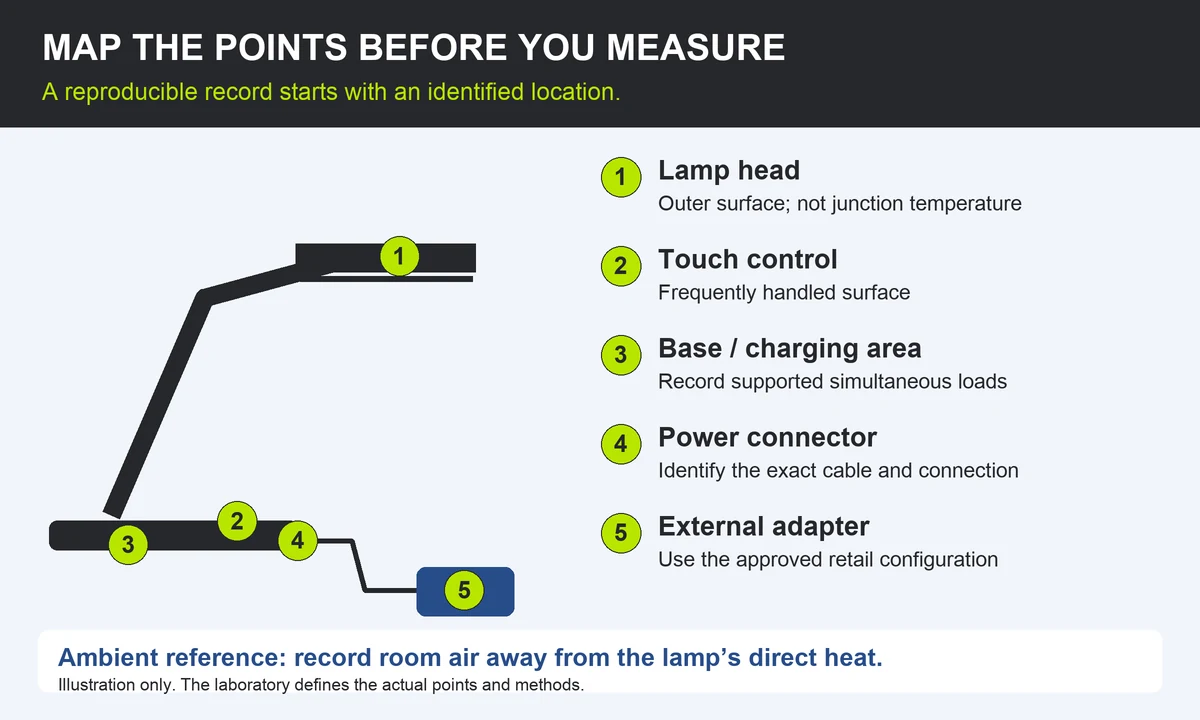
Ask the supplier to mark the active touch area on a photograph. Do not assume the whole metal body is a switch. Record whether the controls use a tap, a long press, a sliding gesture or separate buttons for brightness and color temperature.
If the buyer's instruction sheet describes a different sequence from the sample, settle that difference before approving packaging.
Turn expected behavior into an acceptance sheet
“Sensitive touch” is difficult to inspect consistently. Replace it with a short sequence that the buyer, factory and inspector can repeat.
| Check | Agreed test condition | Evidence to keep |
|---|---|---|
| On/off response | Identified touch zone and a defined tap action | Whether each action produces the intended state |
| Dimming | Every specified brightness setting or a complete sliding sweep | Missed steps, jumps or inconsistent response |
| Color control | All advertised color modes | Actual sequence compared with the manual |
| Repeated operation | Agreed operation count, pace and observation points | Missed actions and unintended extra actions |
| Power restoration | Disconnect and reconnect using the approved normal procedure | Restored brightness, color and on/off state |
| No-touch observation | Agreed duration and normal operating setup | Any uncommanded state change |
The repeat count and acceptance limit belong in the purchase specification. A short sample check is not proof of a multi-year service life. Do not turn an arbitrary number of taps into a universal industry requirement.
Evaluate the complete supplied configuration
Capacitive touch design involves trade-offs between response time, power consumption and noise immunity. Texas Instruments discusses these design trade-offs; its reference design is not evidence that a particular lamp uses that circuit or meets a given performance level.
For purchasing purposes, keep the adapter model, cable, control-panel finish and product revision with the sample record. If the lamp also charges other devices, repeat normal touch operations with the advertised functions operating together, within the supplier's ratings.
Document the intended environment too. A showroom demonstration does not establish suitability for a damp location, nor does a functional check replace electrical safety or EMC evaluation. Any deliberate electrical interference, surge or abnormal-condition testing should be defined and performed by qualified personnel.
Agree what happens after a power interruption
“Memory function” can mean several things. A lamp might remember its brightness but not its color mode; another might remember both yet remain off when power returns.
Write down the behavior your sales channel needs. For a bedside product, unexpected illumination after a power interruption may be a complaint even if the lamp still functions. For an office rollout, inconsistent behavior between units can make support harder. Neither case should be left to the word “memory” alone.
Separate a product fault from a configuration mismatch
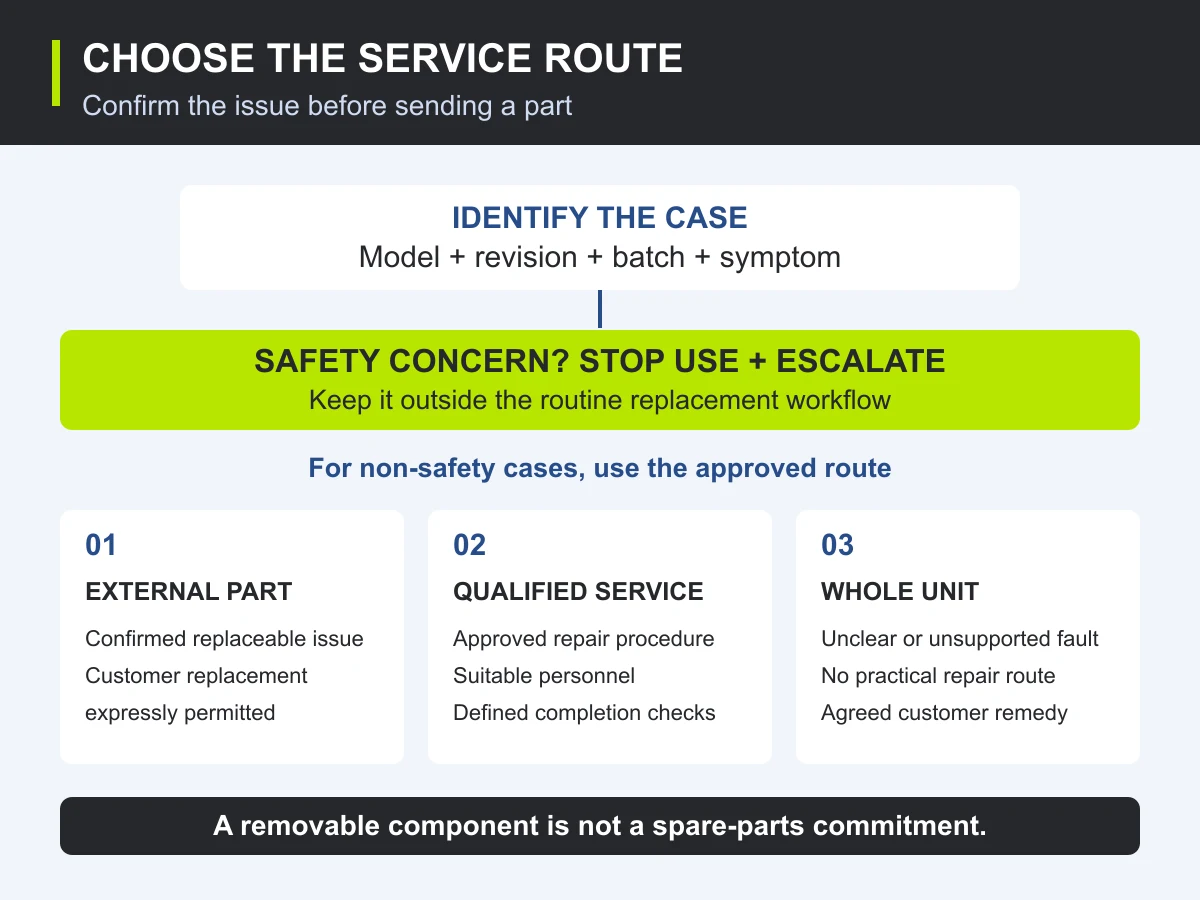
If a sample misses touches or changes state unexpectedly, record the model, revision, supplied adapter, mode and exact reproduction steps. Preserve a short video where useful. Ask the supplier to identify whether the issue concerns the control interface, the supplied power configuration, instructions or another component.
Do not instruct customers to open an energized lamp or probe internal wiring. Stop using a product with signs of damage or unsafe operation and follow the manufacturer's service procedure.
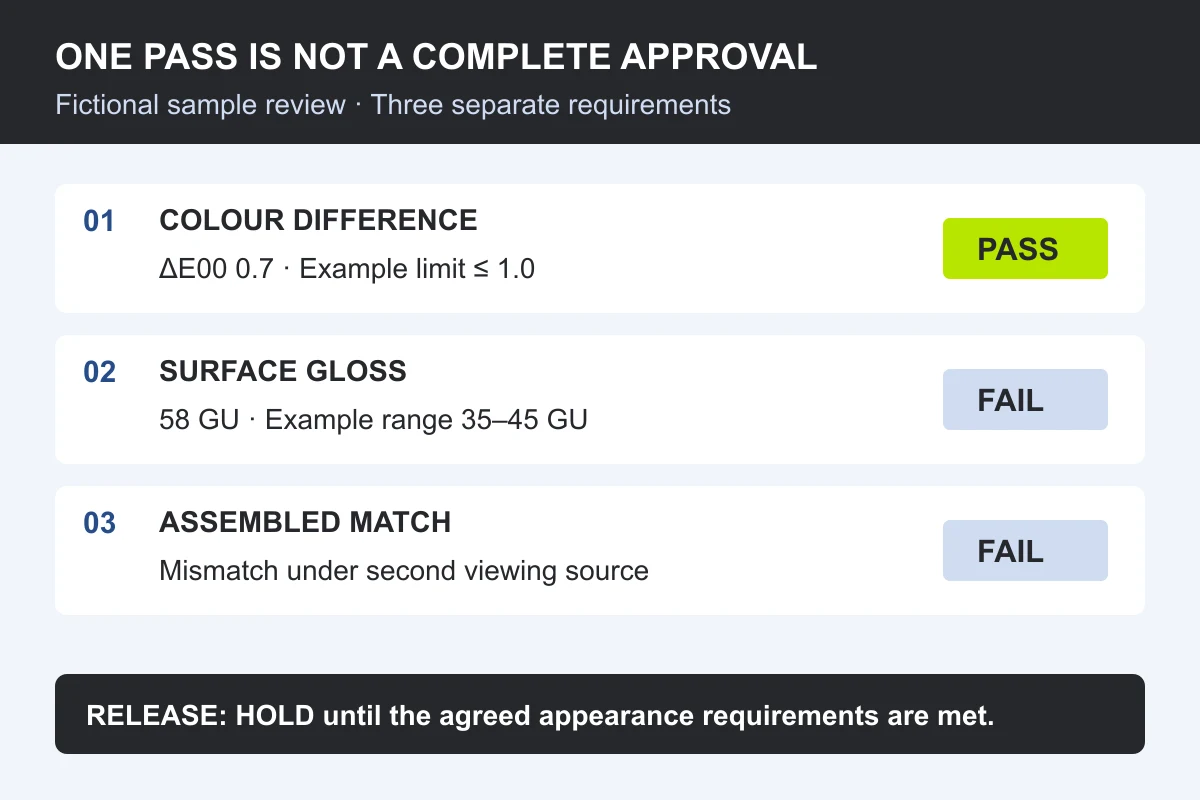
If the supplier proposes a revised adapter, control board, firmware or touch-panel material, request a repeat of the relevant checks. Approval should apply to the tested configuration, not merely to the product photograph.
Put the result into the order documents
Add the control sequence, restoration behavior, sample identity and unresolved issues to your golden sample approval record. Use the separate pre-shipment inspection guide to integrate these checks into the final lot review.
For a quote, send the required quantity, destination market, intended use and preferred controls. RoyeLamp offers orders from 10 units without a custom logo, or 100 units with a custom logo. Paid samples are available, with a stated lead time of 15–30 days; confirm the selected configuration and schedule in the quotation.
Browse desk lamp models or request a sample and control-function details.
Frequently asked questions
Are touch lamps more durable than lamps with mechanical switches?
The interface type alone is not enough to decide. Compare evidence for the actual control, power configuration and intended use rather than assuming either design guarantees longer life.
Does a working sample prove the whole order will behave the same?
No. The approved specification must identify the sample's configuration, and production changes need review. Shipment checks should verify that supplied units match that definition.
Should every touch lamp remember its last setting?
Only if that behavior is specified. Define exactly which settings are retained and what happens when power returns.
