

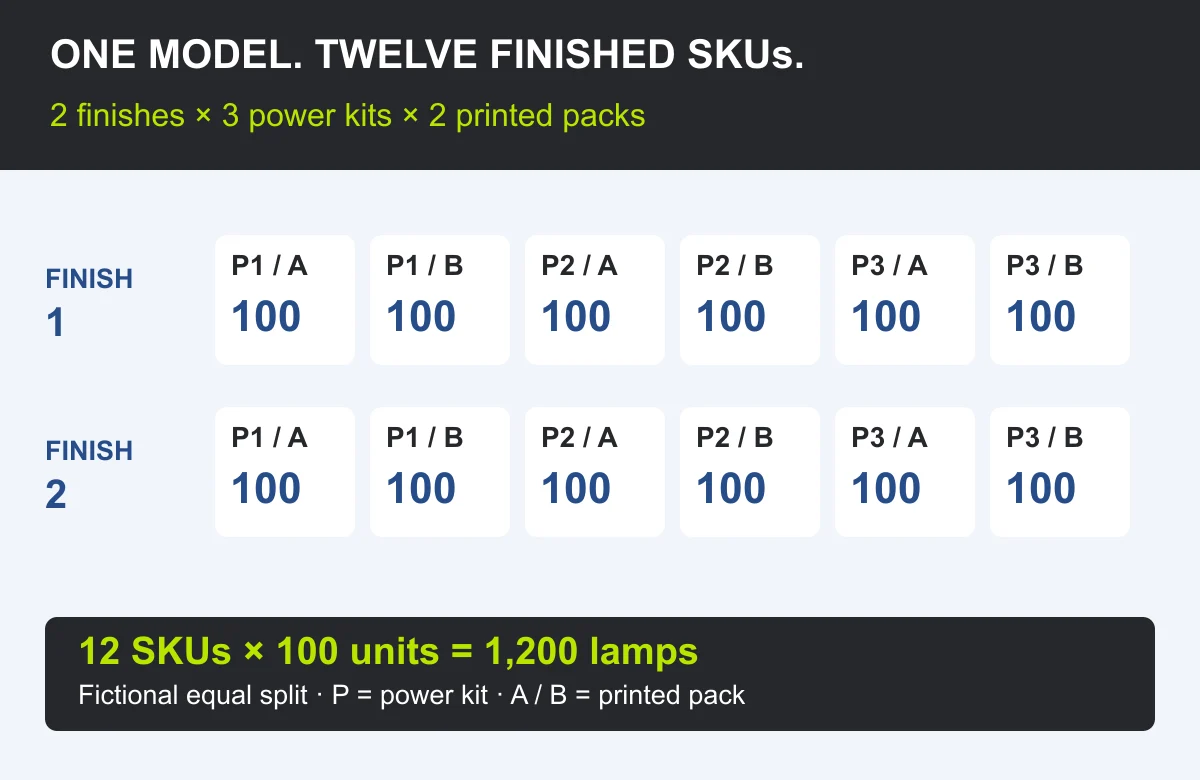
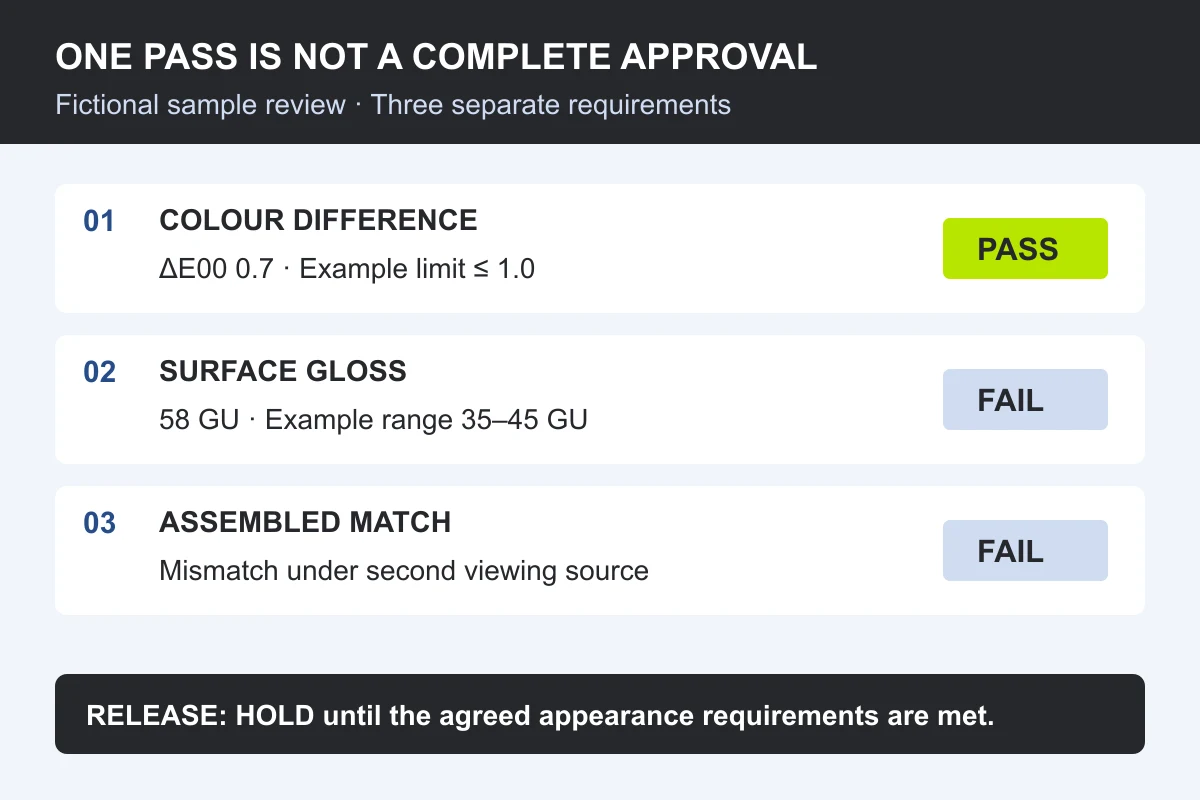
A finished LED desk lamp can look correct in a sample room and still create costly problems after a bulk shipment arrives. Wrong adapters, intermittent touch controls, unstable hinges, inconsistent color temperature, charging failures, missing labels, and weak inner packaging are all easier to correct before container loading than after distribution.
A pre-shipment inspection (PSI) is therefore a release decision, not a ceremonial final check. Its job is to verify that the produced lot matches the approved sample, purchase specification, packaging artwork, and market requirements. This guide gives importers, distributors, and private label brands a practical inspection structure for LED desk lamps, including multifunctional and wireless charging models.
1. Freeze the Approved Product Standard Before Inspection
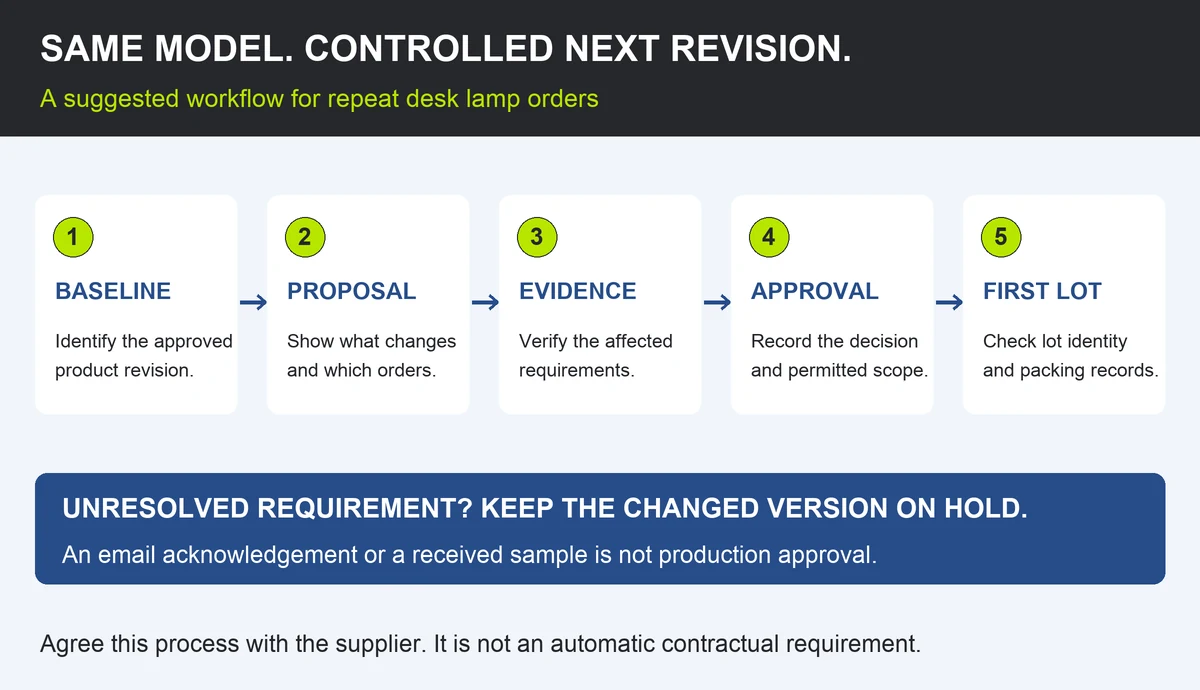
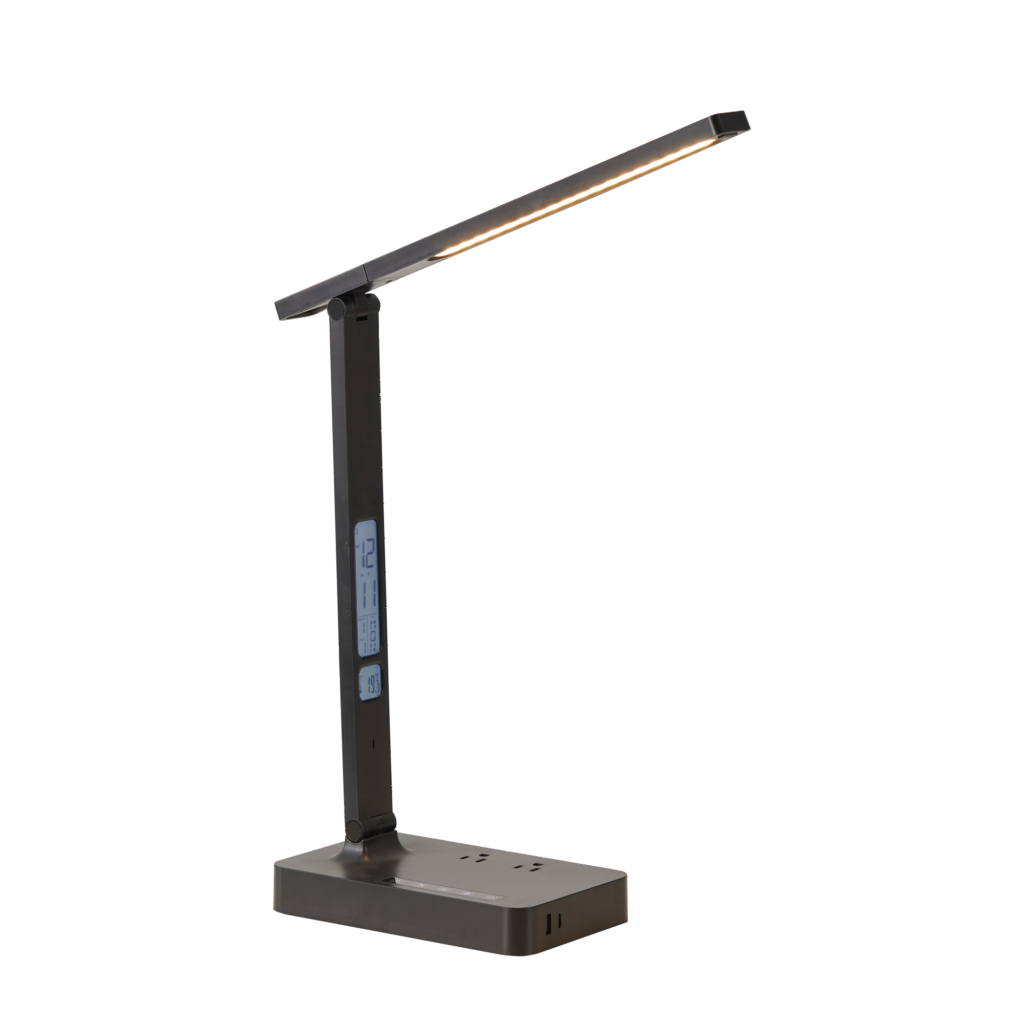
An inspector cannot make a reliable pass or fail decision from a quotation alone. Before production is complete, create one controlled inspection pack containing the approved sample or signed sample photos, product specification, bill of accessories, packaging artwork, label files, user manual, carton marks, and any buyer-specific tolerances.
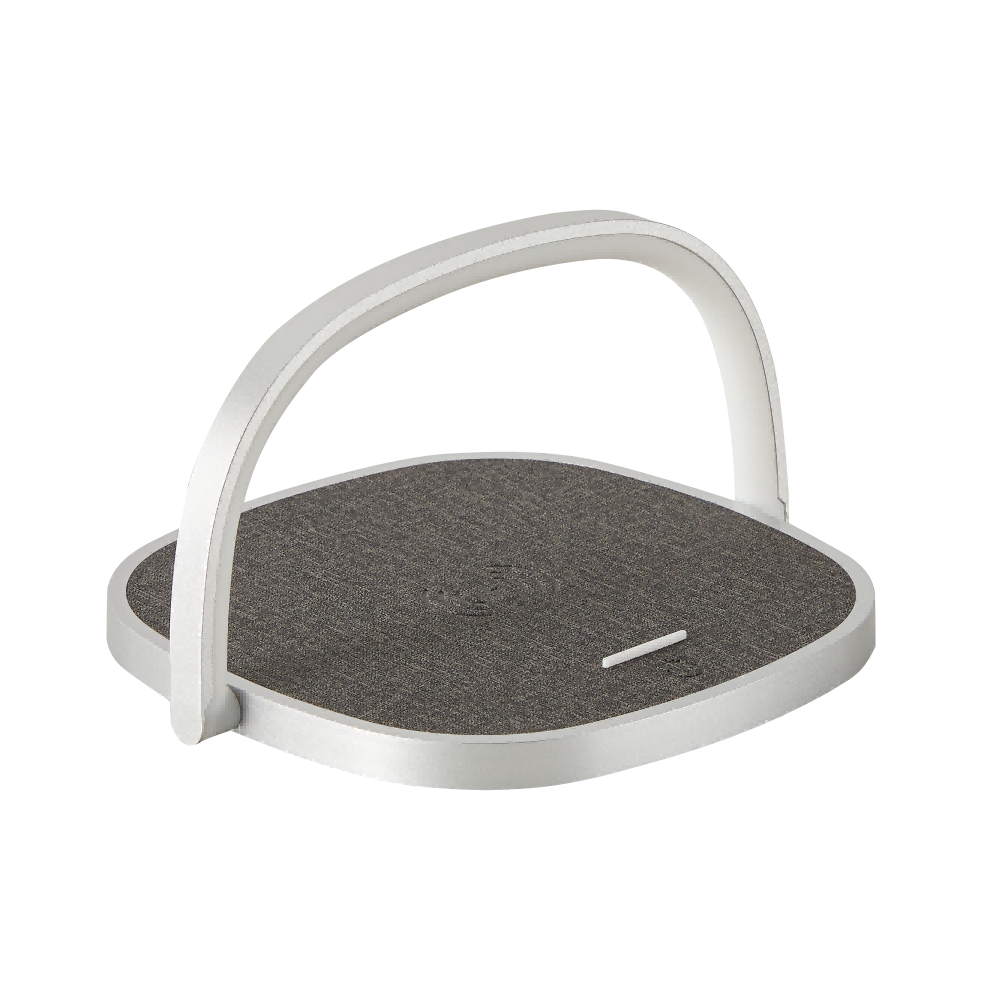
For a wireless charging model, the specification should identify the adapter, input requirement, charging output, test devices, allowed phone-case conditions, and whether simultaneous lighting and charging must be tested. Our wireless charging desk lamp RFQ checklist explains how to define these requirements before requesting prices.
If a requirement is not written, measurable, and tied to the approved configuration, it is difficult to inspect consistently.
2. Define the Lot, Sampling Plan, and Defect Classes
Start by defining the inspection lot: model, color, production batch, packaging version, and total quantity. Random samples should be drawn across finished cartons rather than taken from a group prepared in advance for the inspector.
ISO 2859-1:2026 provides acceptance sampling schemes indexed by acceptance quality limit (AQL) for lot-by-lot inspection. AQL is a method for selecting sample size and acceptance or rejection numbers; it is not a statement that defects are harmless. The buyer and supplier must agree the inspection level, defect definitions, and acceptance limits before production.
| Defect class | LED desk lamp examples | Recommended decision logic |
|---|---|---|
| Critical | Exposed live parts, wrong mains rating, smoke or burning odor, unsafe insulation damage, or a prohibited compliance mark | Define zero acceptance unless the buyer's documented system requires another rule |
| Major | Lamp does not operate, charging fails, touch control is intermittent, hinge cannot hold position, wrong model or adapter, missing required label | Apply the buyer-agreed major defect limit |
| Minor | Small cosmetic variation outside the approved appearance standard that does not affect function or saleability | Apply the buyer-agreed minor defect limit |
3. Verify Identity, Quantity, Accessories, and Packaging Version
Begin with facts that can invalidate the shipment before detailed function testing. Confirm the model and color against the purchase order, count finished cartons, check units per carton, and compare net and gross weight against the approved packing data. Open cartons from different pallet positions and production dates.
- Correct lamp model, color, plug, adapter, cable, and accessory set
- Correct logo position, rating label, barcode, SKU, manual language, and carton mark
- Correct retail box and master carton revision
- Complete protective inserts, bags, cable ties, warning labels, and spare parts where specified
- No mixed production versions inside the same lot unless explicitly approved
4. Inspect Workmanship and Mechanical Stability
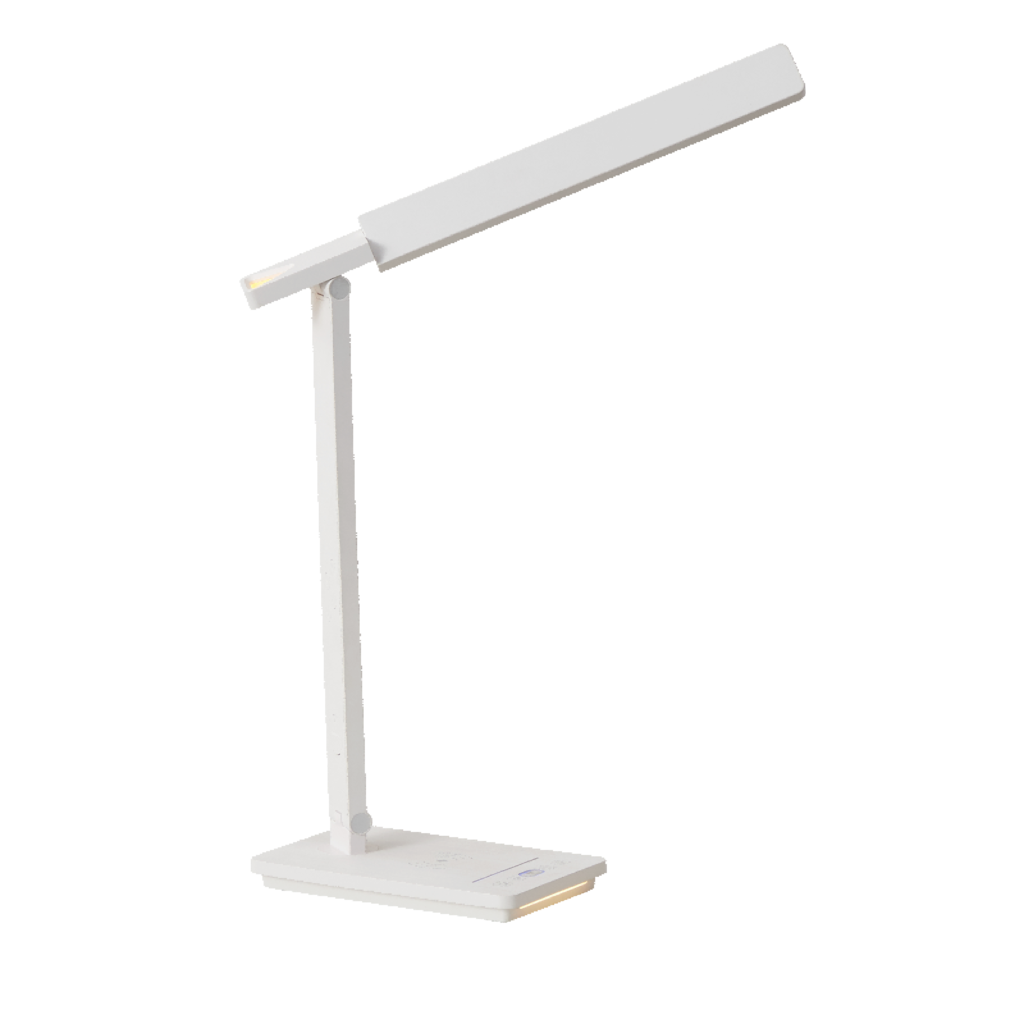
Examine the product under consistent lighting at an agreed viewing distance. Cosmetic standards should be practical and repeatable: define acceptable color variation, gap and step limits, scratch size, contamination, print quality, and the surfaces considered customer-facing.
- Place the lamp on a flat reference surface and check rocking or base distortion.
- Move each hinge and arm through its intended range; confirm smooth travel and position holding.
- Inspect cable entry, strain relief, connectors, adapter fit, screws, covers, and exposed edges.
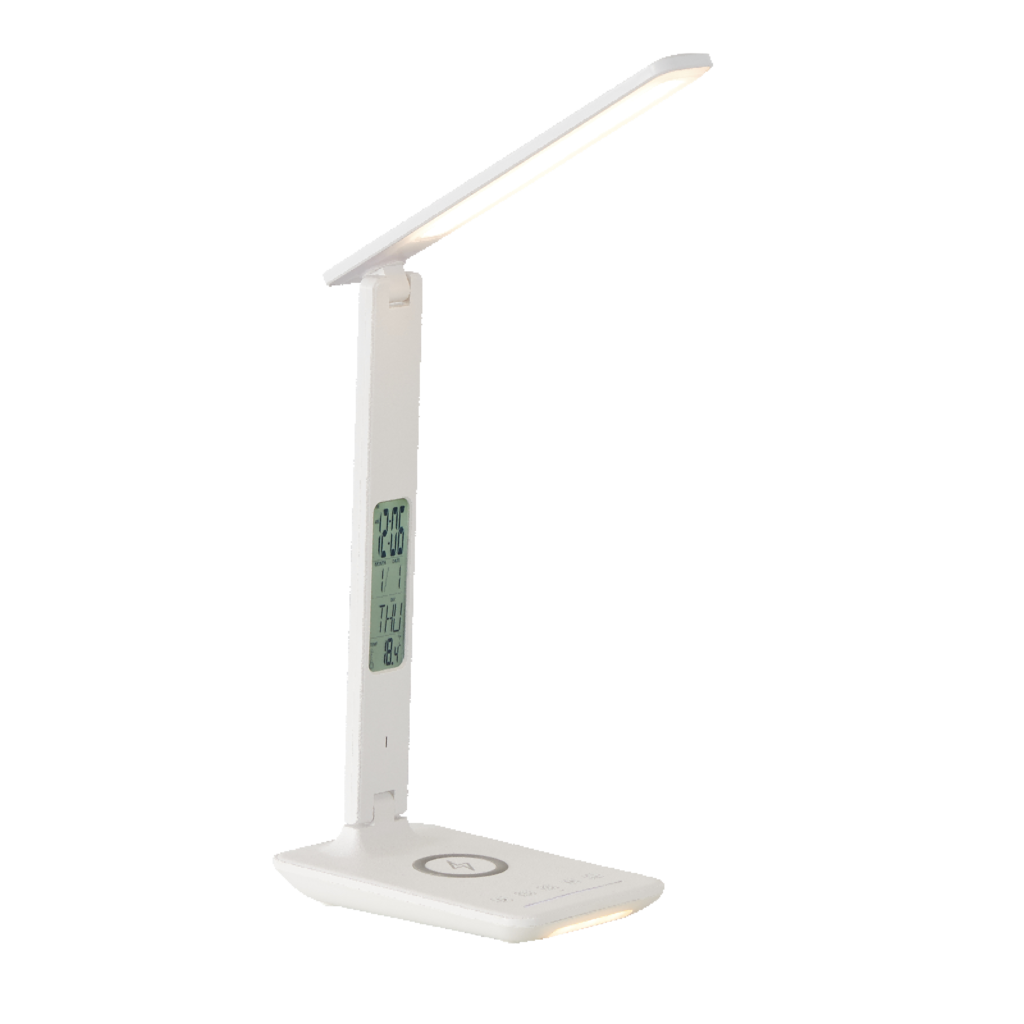
- Check touch panels, sliders, buttons, displays, and charging symbols for alignment and response.
- For foldable products, repeat a buyer-defined number of opening and closing cycles on sampled units and record looseness or abnormal sound.
5. Test Lighting Performance with a Repeatable Setup
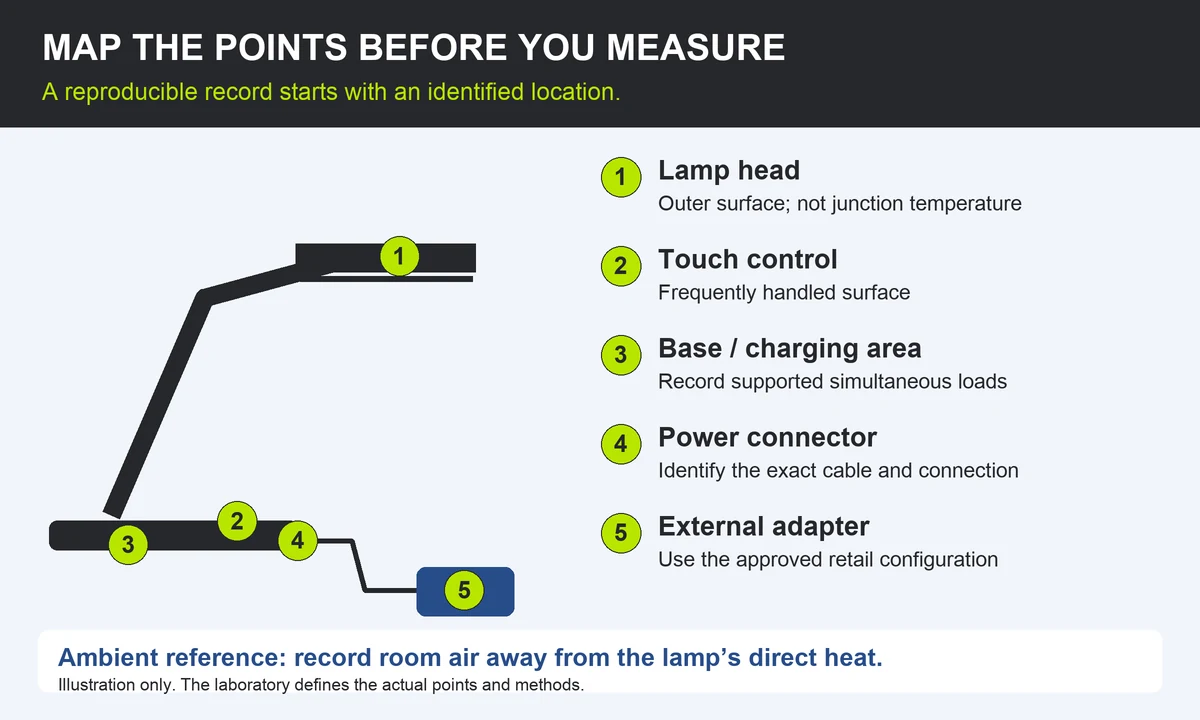
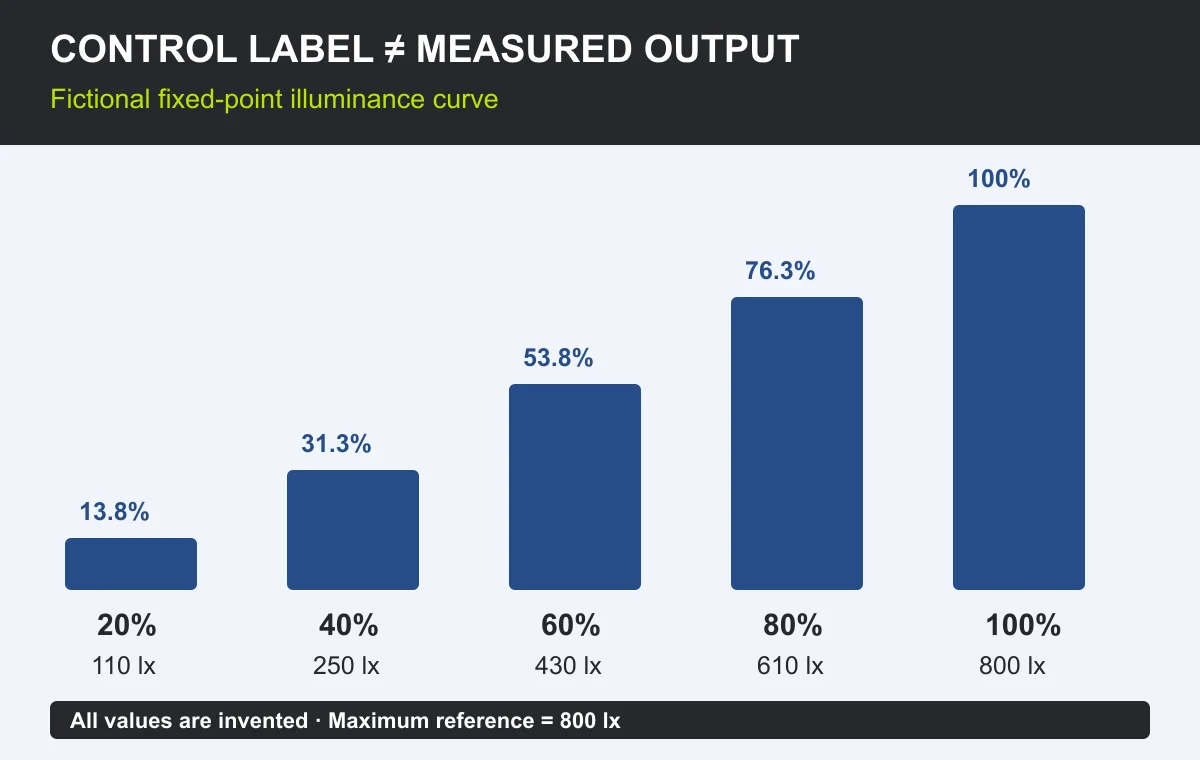
A quick power-on check is not enough. Test every control path and confirm that the sequence matches the approved sample. Record the adapter, input voltage, lamp position, measurement distance, ambient light condition, and warm-up time so results can be compared between production lots.
| Inspection item | What to record | Typical failure signal |
|---|---|---|
| Power and memory | Startup state, on/off response, timer, and memory behavior | Delayed startup, reset, or inconsistent mode recall |
| Dimming | All steps or full slider range | Dead zones, abrupt jumps, or visible pulsing |
| Color temperature | Mode sequence and measured values where specified | Wrong order or obvious mismatch between units |
| Illuminance | Lux at fixed points using the same setup | Output below the approved tolerance or uneven distribution |
| Noise and heat | Sound and surface condition after the agreed operating period | Buzzing, abnormal hot spots, odor, or shutdown |
For a deeper comparison framework, see how to compare LED desk lamp specifications from different suppliers. A PSI confirms the shipment against an approved requirement; it should not invent a new performance target after production.
The current IEC 60598-1:2024 covers general safety requirements and tests for luminaires, including marking, mechanical and electrical construction, and photobiological safety. A factory PSI does not replace laboratory evaluation to applicable standards.
6. Test Charging Functions as a System
Wireless charging performance depends on the lamp, charging module, adapter, cable, phone, case, alignment, and temperature. Record the complete test configuration. Do not accept a simple phone icon appearing for a few seconds as proof of stable charging.
- Use the specified adapter and cable, then verify charging starts and continues for the agreed test period.
- Test representative phones and approved case thicknesses at the center and practical edges of the charging area.
- Operate the lamp and all charging outputs simultaneously where the product is designed for that use.
- Check wired USB-A, Type-C, or PD outputs against the approved configuration.
- Test foreign-object response where applicable and record any interruption, repeated reconnecting, abnormal heat, odor, or noise.
- If the product is claimed as Qi Certified, verify the exact model in the Wireless Power Consortium product database.
For U.S. projects, the FCC publishes specific equipment authorization guidance for wireless power transfer devices. Confirm the required authorization path for the exact product and market configuration with a qualified compliance specialist.
7. Check Labels, Manuals, and Compliance Documents
Inspect the actual production labels and documents rather than accepting a list of certificates in a sales email. Model number, electrical ratings, manufacturer or responsible-party information, warnings, plug and adapter data, recycling marks, manual language, and declared functions must be consistent across the lamp, adapter, retail box, manual, and test reports.
Document scope matters. A report for a different model, charging module, adapter, or company name may not support the shipment being inspected. Keep the verification factual: document number, issuing laboratory or body, model coverage, issue date, and configuration match.
8. Evaluate Packaging for the Real Distribution Route
Retail packaging that looks attractive can still fail during parcel handling or pallet transport. Inspect product restraint, head and arm protection, adapter separation, abrasion risk, carton closure, moisture protection, barcode readability, and master-carton strength. Then match the test procedure to the actual distribution route.
The International Safe Transit Association test-procedure overview distinguishes screening tests from partial and general simulation tests. ISTA also stresses that procedure selection should reflect how packages are shipped, handled, and stored. Agree the test method and pass/fail damage criteria before testing; do not describe an informal drop as an ISTA test.
9. Record Evidence and Make a Clear Release Decision
The inspection report should make the decision reproducible. Include lot identification, carton locations sampled, sample size, defect counts by class, product and carton photos, measurement setup, equipment identification, test duration, failed-unit serial or carton references, and the exact acceptance rule used.
| Decision | When to use it | Required next step |
|---|---|---|
| Pass | All agreed sampling, function, documentation, and packaging criteria are satisfied | Release only the identified inspected lot |
| Hold for clarification | Evidence is incomplete or a deviation needs buyer approval | Do not load until the written disposition is complete |
| Rework and reinspect | Defects are correctable and the lot can be contained | Document rework scope and inspect a new random sample |
| Fail | Acceptance limits are exceeded or a critical issue is found | Contain the lot, investigate root cause, and agree corrective action |
Our guide to common LED desk lamp defects can help purchasing teams translate failure modes into clearer specifications and inspection checkpoints.
A Copy-Ready PSI Request for Suppliers or Inspectors
- Identify the purchase order, model, color, quantity, and finished-lot location.
- Attach the approved sample record, specification, artwork, labels, manual, and packing requirements.
- State the sampling standard, inspection level, and buyer-approved defect limits.
- Define critical, major, and minor defects with product-specific examples.
- List the lighting, control, display, charging, and simultaneous-operation tests.
- State the required adapter, test devices, measurement setup, test duration, and tolerances.
- Define packaging test method and pass/fail damage criteria.
- Require photos, measurements, defect mapping, carton references, and a final pass/hold/fail result.
Final Takeaway
A useful LED desk lamp inspection does not try to test everything. It verifies the risks that could prevent the shipment from being safe, functional, saleable, and correctly documented. The strongest process begins before production: freeze the product standard, agree the sampling and defect rules, define repeatable tests, and require evidence for the release decision.
Buyers can review RoyeLamp's LED desk lamp range, including RY2309-P, RY29, RY26, and RY2260. For a wholesale, OEM, or private label project, send RoyeLamp your product specification and inspection requirements so the quotation and sample plan can be aligned from the start.
Frequently Asked Questions
Is AQL inspection the same as requiring zero defects?
No. AQL is a sampling framework used to make a lot acceptance decision. Critical safety defects can still be set to zero acceptance, while major and minor defect limits must be agreed by the buyer and supplier before inspection.
Can a pre-shipment inspection replace certification or laboratory testing?
No. PSI checks the produced lot against approved specifications and workmanship criteria. It does not replace applicable safety standards, compliance testing, certification, or importer obligations.
What should be tested on a wireless charging LED desk lamp?
Check the specified adapter and cable, charging start and continuity, alignment, representative phone and case combinations, foreign-object response where applicable, simultaneous operation, and abnormal heat, odor, or noise during the agreed test period.
When should a failed shipment be reinspected?
Reinspect after the supplier has contained the lot, completed documented rework, explained the root cause, and provided evidence that the corrective action covers all affected units. Use a new random sample.
References
- ISO 2859-1:2026 — Sampling procedures for inspection by attributes
- IEC 60598-1:2024 — Luminaires: General requirements and tests
- ISTA — Test Procedures for Packaged Products
- Wireless Power Consortium — Certified Product Database
- FCC KDB 680106 — Wireless Power Transfer Equipment Authorization Guidance
Standards and market requirements change. Confirm the current edition and the rules applicable to the destination market and exact product configuration before placing an order.
