

Cheap desk lamps rarely fail only at the factory price level. They fail in reviews, returns, retailer chargebacks, customer service time, replacement shipments, and lost trust. A buyer may save a small amount per unit and then spend far more handling complaints about flicker, weak hinges, hot adapters, unstable bases, poor wireless charging, cracked packaging, or missing compliance documents. The painful part is that many of these costs appear after the supplier has been paid and the goods are already in the sales channel.
In our experience, the most dangerous defects are not always dramatic. A lamp that turns on during inspection can still be a bad product if the arm slowly drops, the light creates glare, the touch switch misfires, or the carton cannot survive delivery. For wholesalers, importers, and private label brands, defect prevention is margin protection.
Flicker, Glare, and Uneven Light Create Return Pressure
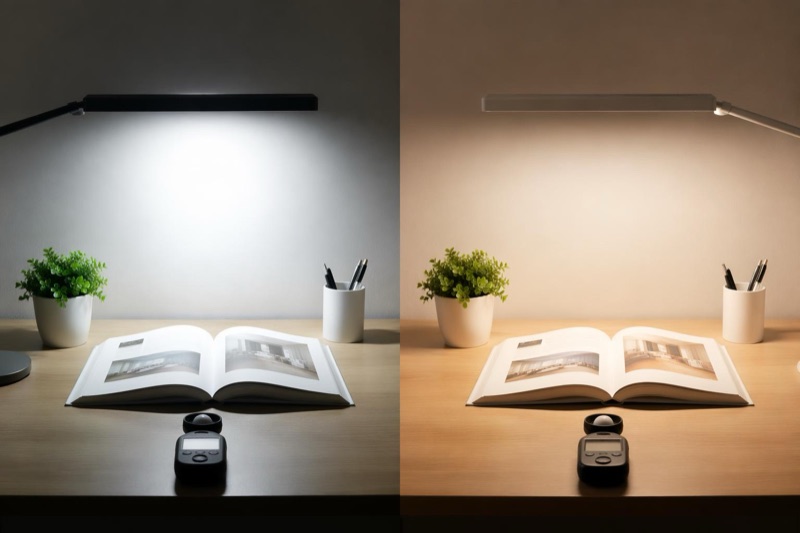
Lighting defects are easy to underestimate because they may not be obvious in a quick factory inspection. A cheap LED desk lamp can pass a basic on/off test but still produce visible flicker, harsh glare, uneven illumination, or uncomfortable color shift. End users may describe the problem vaguely as “bad light” or “hurts my eyes,” but the business impact is specific: returns, negative reviews, and reduced repeat orders.
These problems usually come from low-grade drivers, poor diffuser design, weak LED selection, or a lamp head geometry chosen for appearance rather than optical control. A high lumen claim does not solve the issue. If light is concentrated in a small hot spot or reflects into the user’s eyes, the lamp feels cheap. Standards for luminaires exist because safe and effective lighting depends on design and testing, not marketing phrases [1].
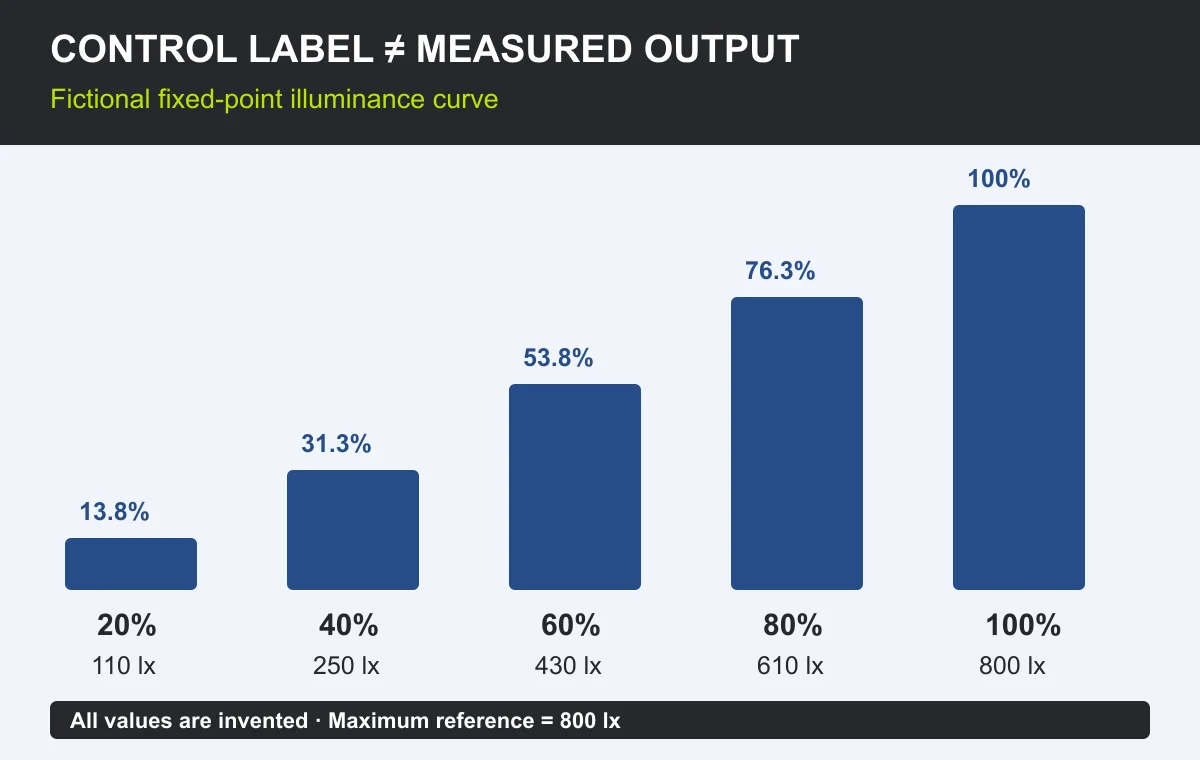
Buyers should test samples at several brightness levels and color temperatures, not only at maximum output. Use the lamp for reading and laptop work. Check whether the diffuser hides LED points. Compare the light pattern across the desk. If the product is positioned as eye-care, require evidence behind the claim. The cost of poor light quality is usually paid through customer dissatisfaction, not factory rejection.
Weak Hinges, Loose Arms, and Unstable Bases Damage the Brand
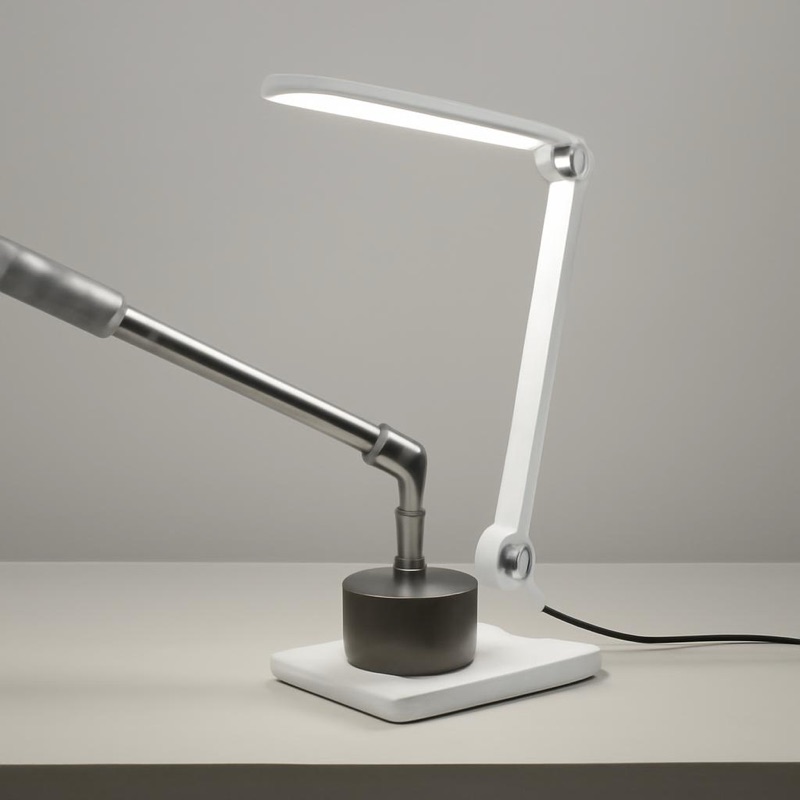
Mechanical defects are highly visible to customers. A lamp arm that drops after adjustment, a head that wobbles, a clip that slips, or a base that feels too light immediately signals low quality. These issues are common in cheap desk lamps because manufacturers reduce metal thickness, spring strength, screw quality, friction washers, or base weight to save cost.
The business cost is larger than a replacement unit. Mechanical disappointment changes how customers judge the brand. Even if the LED still works, the product feels unreliable. For office distributors and wholesalers, this can block repeat orders because buyers do not want products that create complaints for their own customers.
Sample testing should include repeated adjustment, angle holding, clip grip on different desk thicknesses, and stability checks with the lamp extended. If the lamp has a wireless charging base, test stability with a phone placed on it. A base that is stable when folded may tip or slide during real use. The cheapest mechanical design often looks acceptable in product photos, which is why physical testing matters.
Hot Adapters and Poor Charging Systems Create Safety and Service Risk
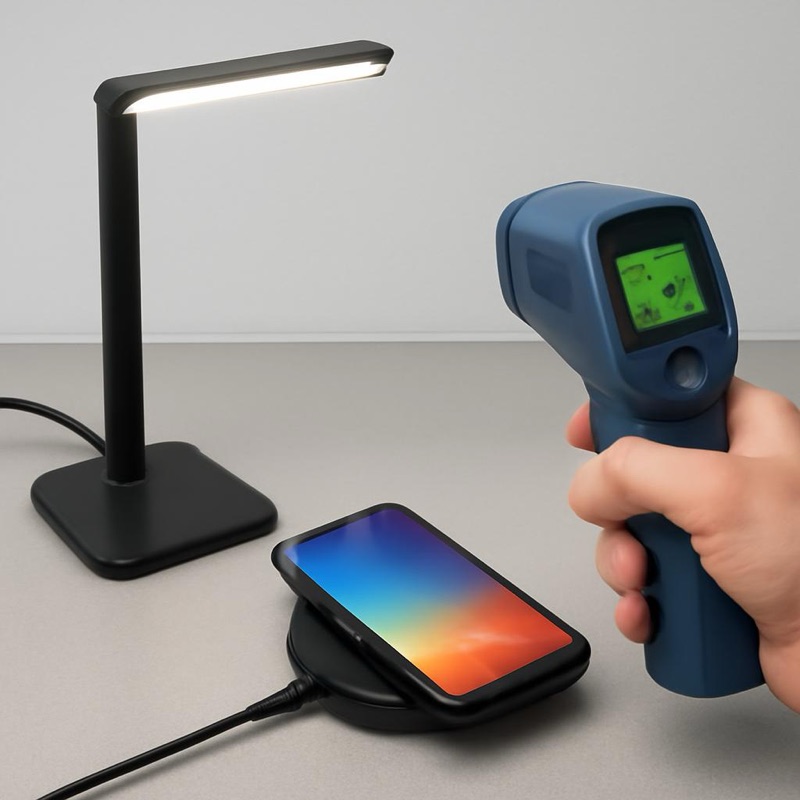
Power defects can become the most serious and expensive category. Cheap adapters may run hot, produce unstable output, or fail early. Low-quality drivers can cause flicker or shorten LED life. Wireless charging modules may work only when the phone is perfectly aligned, charge slowly, or generate excessive heat. A lamp with USB output may reset or dim when another device is connected.
For wireless charging desk lamps, vague compatibility claims are not enough. Qi-related expectations are designed around interoperability and user confidence [2]. Buyers should test several phone models, cases, and charging positions. Ask whether the supplier can show design evidence, module specifications, and thermal checks. A wireless charging feature that creates complaints is worse than no wireless charging feature because it raises the promised value and then disappoints the user.
Compliance also matters. For markets requiring CE-related documentation, the final product configuration should support conformity assessment and technical documentation [3]. For RoHS, material control is part of the electrical product responsibility [4]. The cost of a weak power system includes returns, safety concerns, channel rejection, and sometimes the need to stop selling until documentation is corrected.
Bad Switches, Displays, and Smart Features Increase Complaint Volume
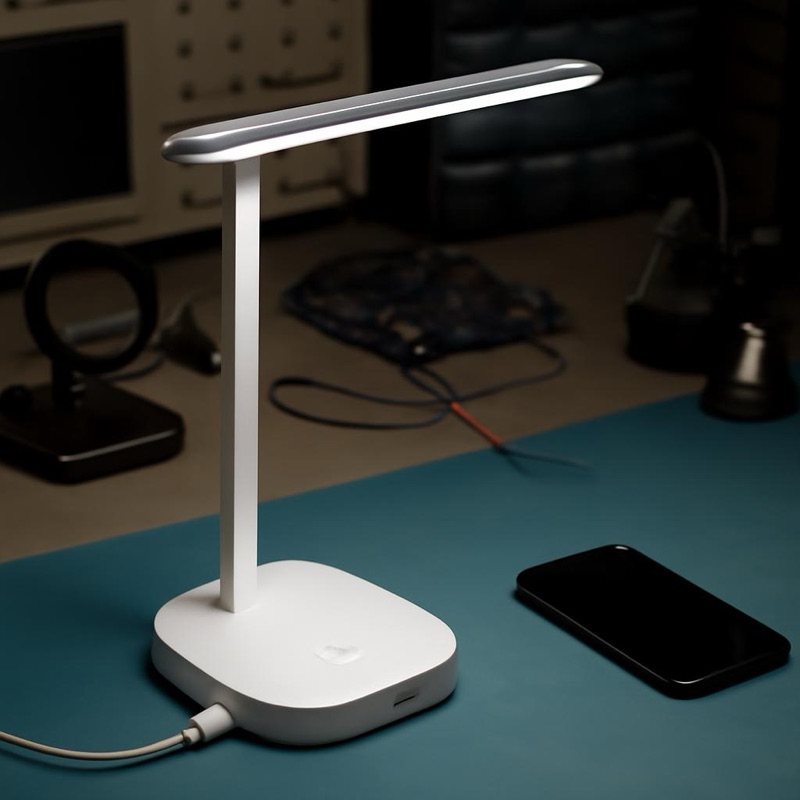
Cheap desk lamps often add features to look competitive: touch dimming, clock display, alarm, temperature display, memory function, USB output, Bluetooth speaker, or app control. The risk is that each feature adds another failure point. A touch panel that is too sensitive, a display that is too bright at night, a memory function that resets, or a clock that drifts can generate complaints even when the lamp still lights up.
Smart multifunctional lamps require especially careful validation. If wireless communication is involved, implementation details matter beyond the name of the protocol. IEEE 802.11 is widely used for Wi-Fi systems, but product experience depends on hardware design, firmware, antenna placement, and regional requirements [5]. A cheap smart feature can turn a simple lamp into a customer-service burden.
Buyers should decide whether each feature supports the channel. For a promotional item, simple and reliable may be better than feature-rich and fragile. For an ecommerce brand, features can help conversion but only if the product page explains them and the lamp performs consistently. The hidden cost of unreliable features is support volume: messages, returns, replacements, and bad reviews that reduce future sales.
Packaging and Documentation Defects Turn Good Lamps into Bad Shipments
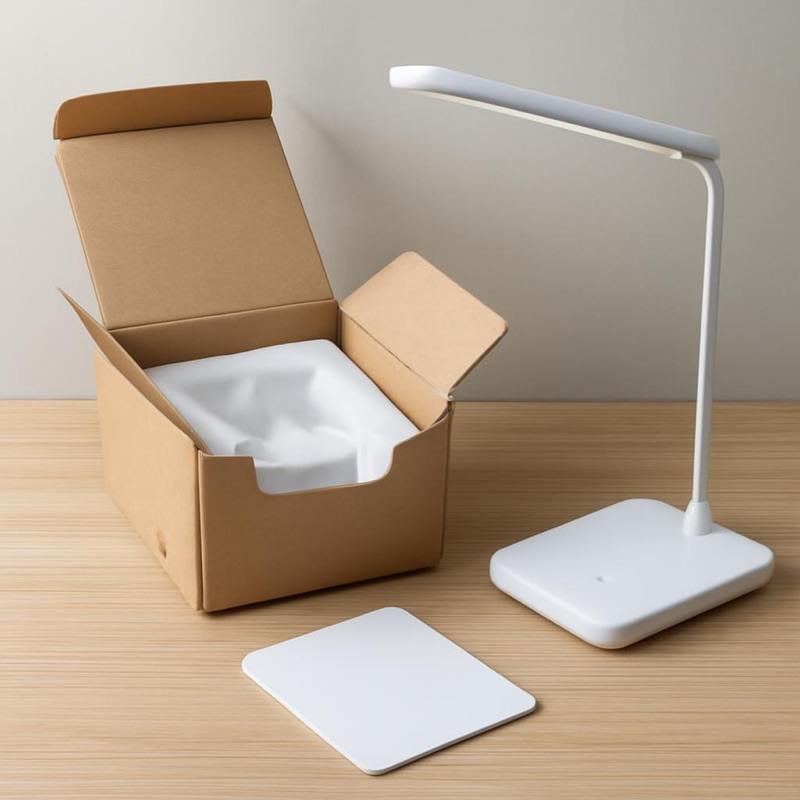
Some cheap desk lamps are acceptable products but poor shipments. Thin color boxes, weak inserts, loose adapters, unclear manuals, missing labels, and inaccurate barcodes can cause damage or channel rejection. Ecommerce channels are especially unforgiving because individual parcels face rough handling. Retail channels are unforgiving because packaging errors create scanning, shelf, and compliance problems.
