

OEM and ODM are often treated as simple sourcing labels, but the wrong choice can damage a desk lamp program before launch. A private label brand may ask for OEM customization when it only needs a proven ODM model with packaging changes. Another buyer may choose a ready ODM lamp to save time, then discover that competitors are selling the same housing at a lower price. The cost is not only tooling or unit price; it is positioning, speed, quality control, and ownership of the product story.
For LED desk lamps, the decision is especially important because product value comes from a combination of optics, power design, mechanics, compliance, and industrial design. A wireless charging lamp, eye-care lamp, clip-on lamp, smart multifunctional lamp, or floor lamp may look easy to modify, but small changes can affect heat, stability, certification, and packaging. The right sourcing model depends on the buyer’s channel maturity and how much differentiation the brand can realistically manage.
What ODM Really Means for Desk Lamp Buyers
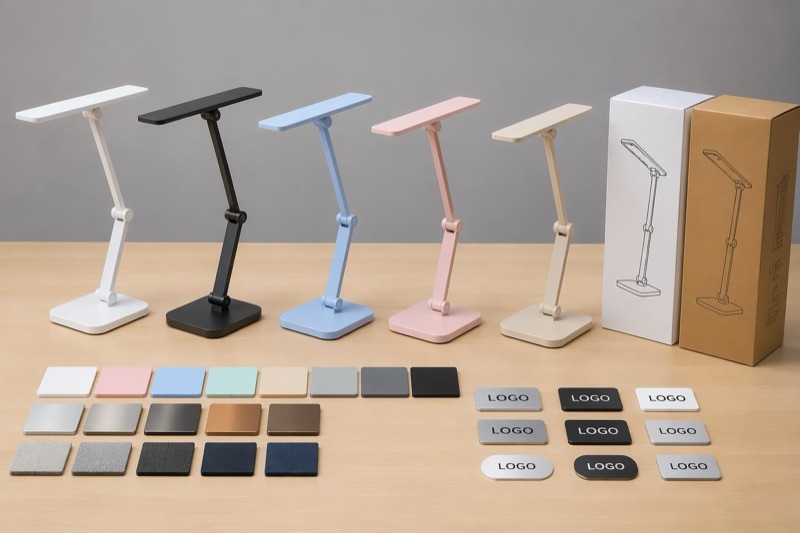
ODM means the manufacturer provides an existing design or platform, and the buyer adapts it for their market. For many wholesalers and importers, ODM is the fastest and safest route. The tooling already exists, the structure has production history, and sample evaluation can begin quickly. For RoyeLamp catalogue orders, the minimum is 10 units without a custom logo and 100 units with your logo. Paid samples are available; confirm sample timing separately. The stated order lead time is 15–30 days, with the schedule confirmed for the order. New tooling, special configurations and packaging customization require a separate scope and quotation.
The mistake is assuming ODM means “generic and low value.” A well-chosen ODM lamp can still support strong branding through color selection, packaging, instruction manuals, logo placement, adapter choice, and channel-specific bundles. For example, an office distributor may choose a stable eye-care lamp with simple controls, while an ecommerce brand may choose a wireless charging desk lamp with stronger lifestyle packaging. The core platform may be proven, but the sales offer can still be distinct.
ODM works best when speed, moderate customization, and lower development risk matter more than exclusive industrial design. It is also useful when the buyer does not yet have enough sales data to justify tooling. The hidden benefit is learning. A brand can test customer feedback on brightness, controls, packaging, and price before investing in a fully custom lamp.
What OEM Requires Beyond a New Logo
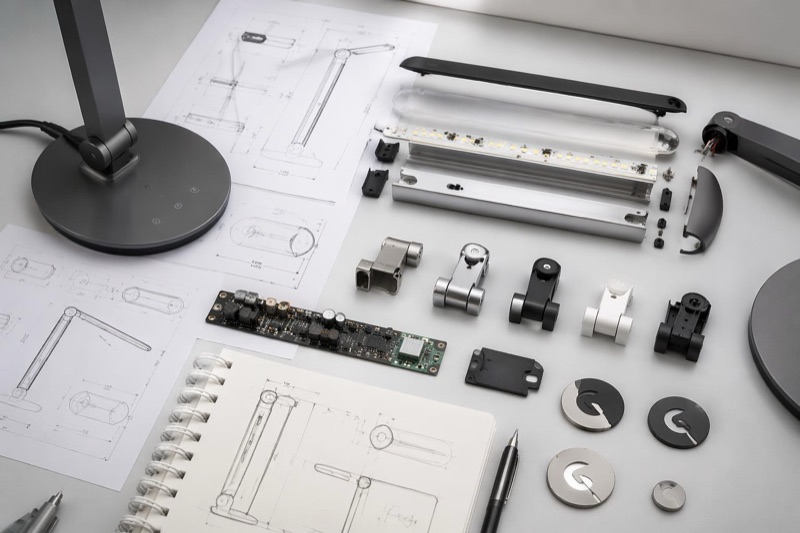
OEM is often used loosely, but in serious sourcing it means the buyer has more control over design, specifications, or exclusive requirements. That may include a new housing, unique arm structure, special optical layout, custom wireless charging base, private electronics, or a brand-specific feature set. OEM can create defensible differentiation, but it also increases responsibility.
The biggest mistake is treating OEM as a cosmetic project. Changing the lamp head shape can affect heat dissipation and light distribution. Changing the base can affect stability and wireless charging coil position. Changing the adapter or driver can affect safety documentation and flicker performance. If the product will carry CE marking, the technical documentation and conformity responsibilities must match the final design [1]. If RoHS declarations are needed, material choices and supplier controls must support them [2].
OEM buyers need a stronger development brief: target market, retail price, feature priority, industrial design references, required certifications, packaging method, expected annual volume, tooling budget, and launch deadline. Without these details, the supplier may quote a project that looks possible but becomes unstable once engineering begins. OEM is powerful when the buyer can make decisions quickly and accept that better differentiation comes with more checkpoints.
Compare Cost by Total Project Risk, Not Unit Price
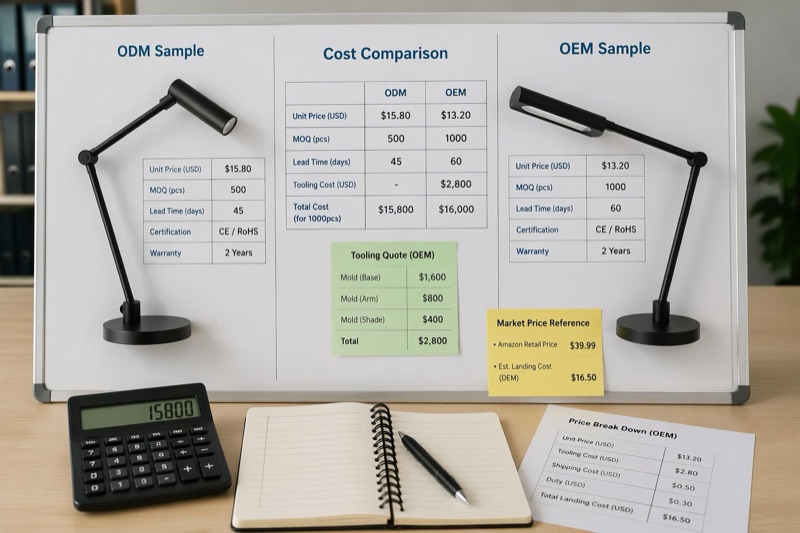
ODM usually has lower upfront cost because tooling and engineering are already absorbed. OEM may require tooling, engineering time, extra samples, testing, and longer approvals. However, the lowest unit price does not always create the lowest business cost. If a ready ODM lamp is sold by many brands, price competition may reduce margin. If an OEM lamp is poorly engineered, after-sales costs can erase the benefit of differentiation.
Buyers should compare three cost layers. First is development cost: tooling, samples, design work, testing, and packaging artwork. Second is production cost: components, labor, inspection, packaging, and freight efficiency. Third is market cost: returns, warranty, review risk, price erosion, and lost differentiation. A cheap ODM model with weak hinges may be more expensive than a stable higher-priced platform. A custom OEM model with unproven electronics may be more expensive than both.
In our experience, the best decision is often staged. Start with ODM to test the channel, then move toward OEM elements after sales data proves which features customers value. For example, a buyer might first sell a proven wireless charging lamp, then develop a custom base, improved diffuser, or exclusive color range for the next production cycle.
Know Which Customizations Trigger Engineering Review
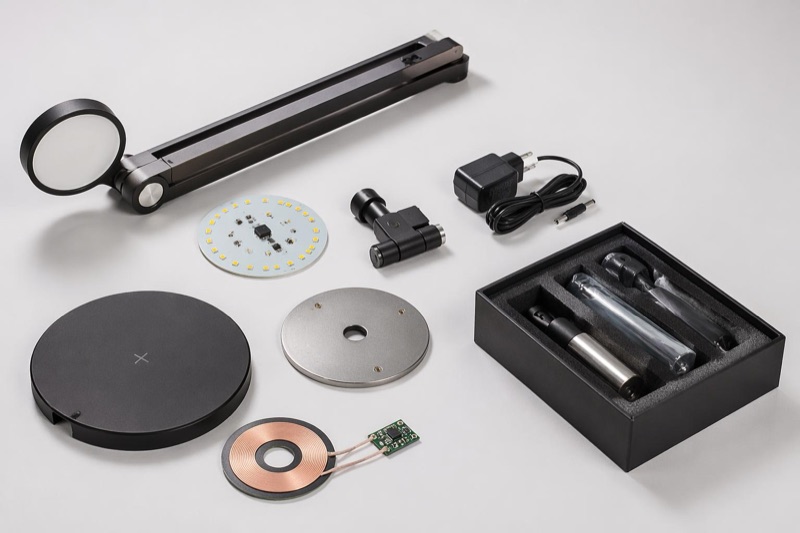
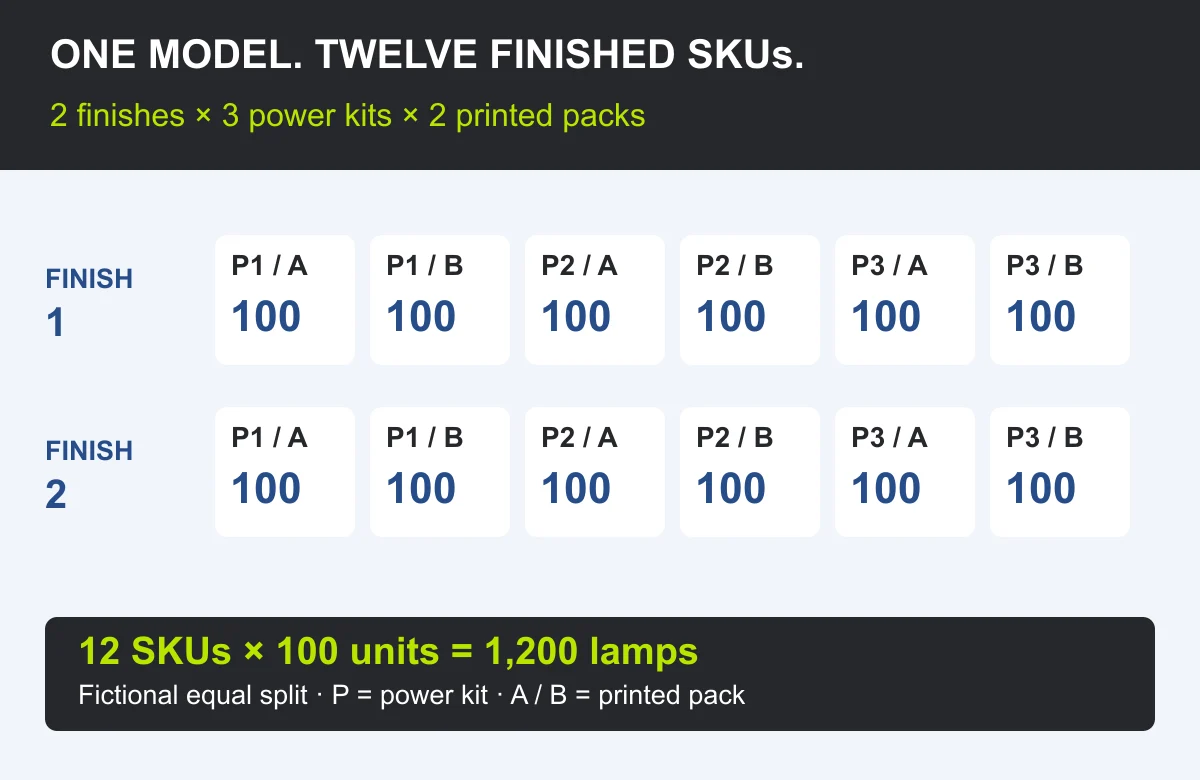
Not all customization carries the same risk. Low-risk changes usually include logo printing, color box design, manual language, barcode labels, carton marks, and sometimes housing color if material availability is stable. Medium-risk changes include cable length, plug type, adapter sourcing, LED color temperature, diffuser finish, and package structure. Higher-risk changes include lamp head geometry, hinge design, base weight, wireless charging position, driver circuit, battery addition, and smart connectivity.
Wireless charging is a good example. Moving the coil to improve appearance can reduce charging reliability or increase heat. Qi compatibility depends on more than placing a coil under plastic; design alignment, control electronics, and interoperability expectations matter [3]. Smart lamps create similar issues. If Wi-Fi is involved, buyers should confirm communication requirements, regional expectations, and documentation early [4].
A disciplined supplier will tell you when a requested change requires new testing or sample validation. That is not resistance; it is risk control. Buyers should be cautious when every customization is described as “no problem.” In desk lamps, small changes can become big failures after 5,000 units ship.
Choose the Model That Fits Your Brand Stage
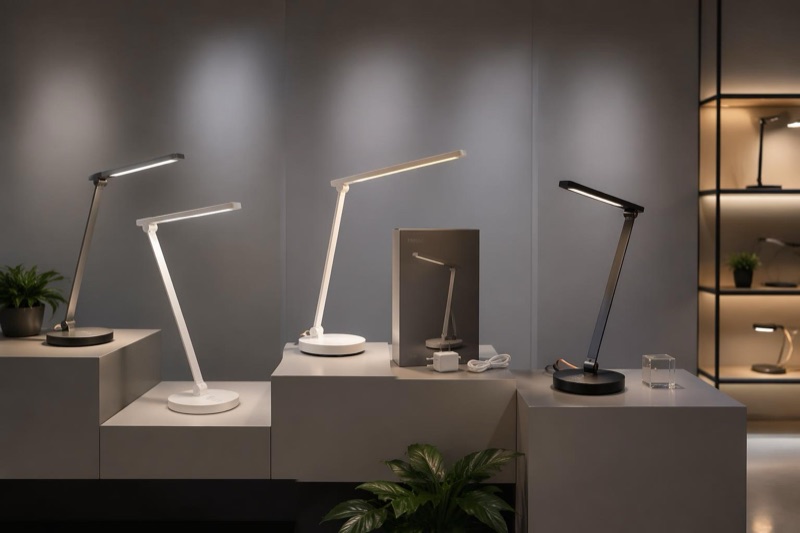
A new importer or ecommerce brand usually benefits from ODM because it reduces launch complexity. The priority is choosing a reliable platform, making the packaging professional, confirming compliance, and learning customer response. A growing brand with repeat sales may add semi-custom elements: exclusive color, improved packaging, upgraded adapter, or a feature bundle. A mature brand with clear volume and positioning can justify OEM development to protect margin and create a stronger product identity.
Royelamp manufactures LED desk lamps in Huizhou and can support both ODM selection and OEM discussion. The practical question we ask buyers is: what problem must your lamp solve in the channel that a standard model cannot? If the answer is clear and commercially valuable, OEM may be right. If the answer is uncertain, ODM is often the smarter first move.
OEM and ODM are not status labels. They are risk-management choices. ODM gives speed, proven production, and lower development burden. OEM gives differentiation, but only when the buyer can manage design decisions, testing, and launch discipline. For wholesalers, importers, and private label owners, the strongest path is the one that matches channel stage, volume confidence, and the level of differentiation customers will actually pay for.
Use a Hybrid Route When Full OEM Is Too Early
Many desk lamp programs do not need a pure choice between standard ODM and full OEM. A hybrid route can be smarter: start with an existing platform, then customize the parts that customers actually notice. That might mean exclusive housing color, improved diffuser material, a heavier base, a custom control icon layout, a better adapter bundle, or packaging designed around a specific retail story. The buyer gets differentiation without taking on the full risk of new tooling.
This route is especially useful for brands with some sales data but not enough certainty for a ground-up design. If reviews show customers love wireless charging but complain about cable length, upgrade the cable and packaging instructions before redesigning the whole lamp. If customers praise the light but dislike the plastic finish, change the surface treatment or colorway. Hybrid development turns market feedback into targeted improvements instead of expensive guesses.
Decide Who Owns the Critical Decisions
OEM projects fail when decision ownership is unclear. The buyer may want a unique lamp but expect the factory to choose every technical detail. The factory may wait for industrial design approval while the buyer assumes engineering has already started. To avoid this, define who decides appearance, optical performance, electronics, packaging, compliance route, target cost, and acceptable trade-offs. A custom lamp always involves trade-offs; pretending otherwise only delays the project.
For instance, a thinner lamp head may look elegant but reduce space for heat management. A smaller base may improve shipping efficiency but weaken stability. A brighter LED board may support stronger marketing claims but require better diffusion and driver control. When the buyer and manufacturer discuss these trade-offs early, OEM becomes a structured product-development process rather than a series of late corrections.
That clarity also makes negotiation cleaner, because both sides know whether they are pricing a market-ready platform, a semi-custom upgrade, or a true development project.
Choose your starting point: catalogue, logo or custom development
- Catalogue order without a logo: start with existing LED desk lamp models; MOQ 10 units.
- Your logo on a catalogue model: MOQ 100 units. Send the artwork, intended position, quantity and destination for confirmation of method and cost.
- New housing, electronics or special packaging: send a separate development brief. The logo MOQ is not a promise that a new design or every packaging option is available at 100 units.
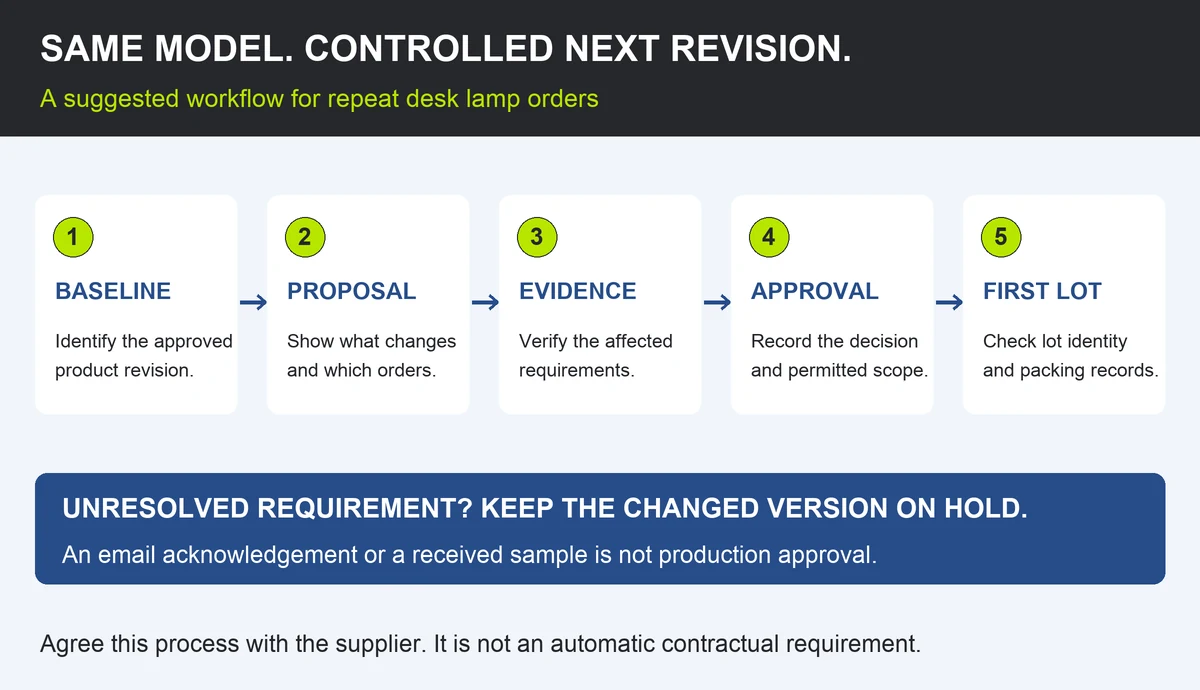
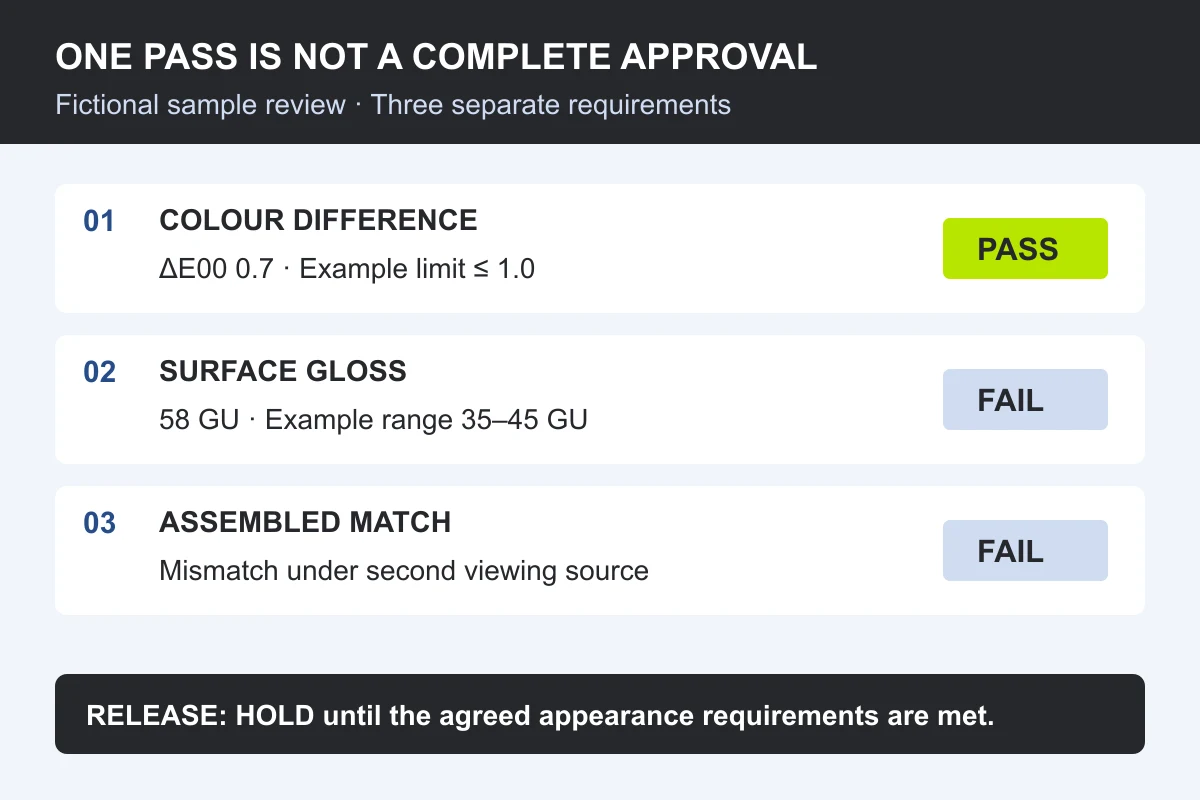
Paid samples are available. Confirm the sample configuration and timing before using it as a production reference. Order lead time is 15–30 days; agree the schedule, and quote development work separately.
To receive a useful response, include a model link or design reference, quantity, destination, required functions, logo/packaging changes and target delivery date. Review our golden sample checklist to define what must be approved.
Discuss a private label or OEM enquiry | Request a paid sample
