

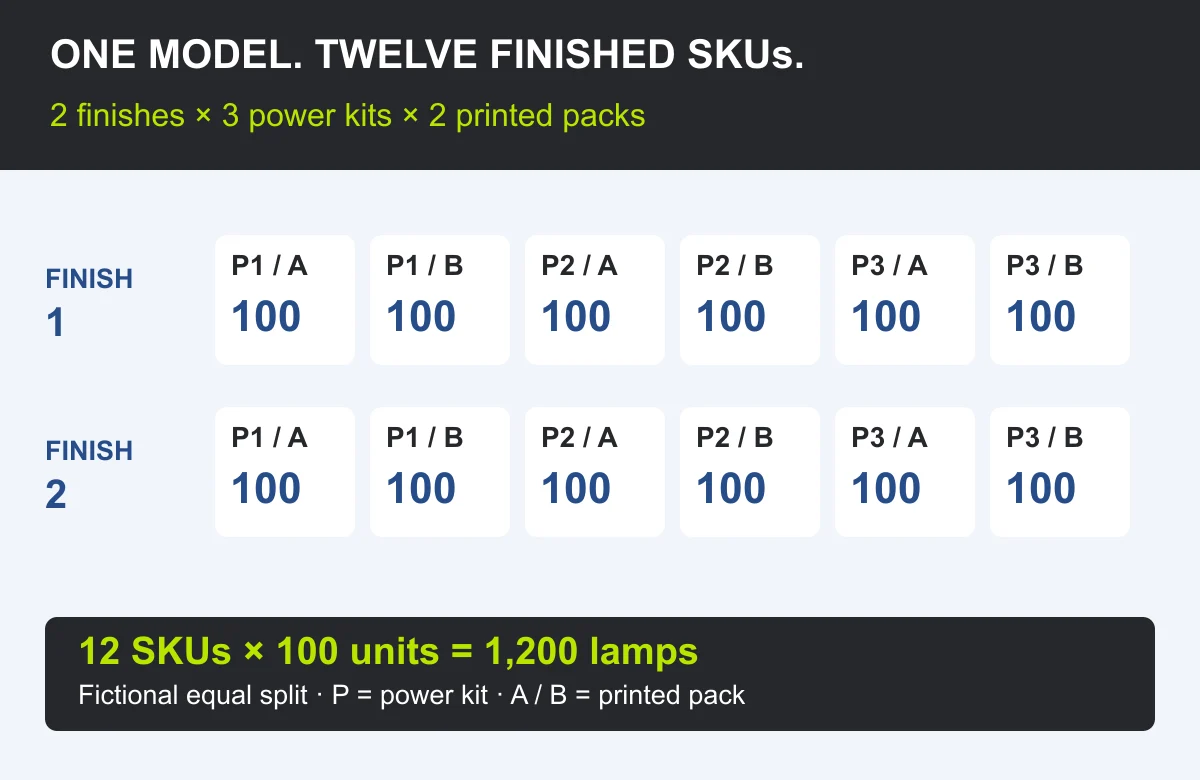
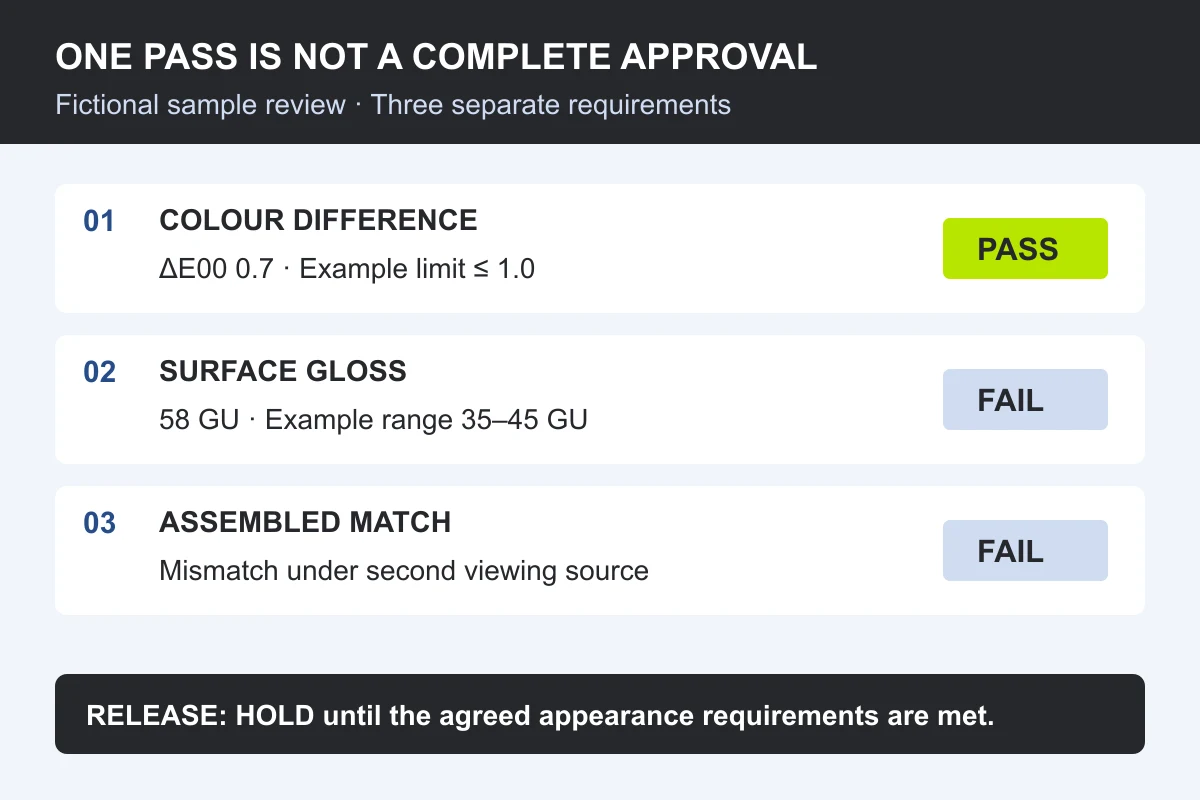
Wholesale pricing for LED desk lamps is not simply factory cost plus margin. That method looks clean on a spreadsheet, but it often ignores the costs that decide whether the program makes money: compliance documents, packaging strength, freight volume, defect allowance, channel discounts, warranty service, and price positioning. Buyers who focus only on the factory unit price may win a negotiation and still lose the business.
In our experience, the right wholesale price starts with the customer’s selling model. A distributor supplying office projects needs predictable quality and stable replenishment. An online private label brand needs packaging, reviews, and return control. An importer selling to retailers needs margin for promotions and after-sales support. The lamp’s price must protect that model, not just beat another supplier by a few cents.
Build the Price from the Full Landed Cost
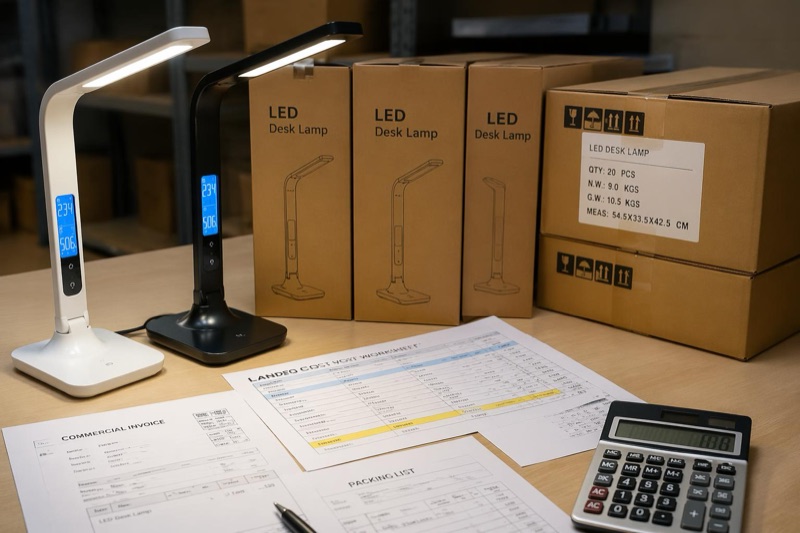
The first pricing mistake is using EXW or FOB unit price as if it were the real cost. For importers and wholesalers, the useful number is landed cost: product price, packaging, inland transport, export charges if applicable, sea or air freight, insurance, duty, customs clearance, warehouse handling, inspection, testing, and financing time. Desk lamps with large bases or protective packaging can have surprising freight impact because carton volume matters as much as weight.
Create a landed-cost sheet for each model. Include carton dimensions, units per carton, gross weight, and expected container loading. A lamp that is $0.30 cheaper but packs inefficiently may cost more after freight. A lamp with weak packaging may create damage claims that do not appear in the purchase price. If the product needs CE, RoHS, or other documentation for the target market, include testing and document management as part of the project cost [1][2].
The buyer’s goal is not to inflate cost; it is to see the true cost before setting wholesale price. Once goods enter the channel, it is difficult to recover hidden costs without damaging competitiveness.
Price the Feature Set by Sellable Value
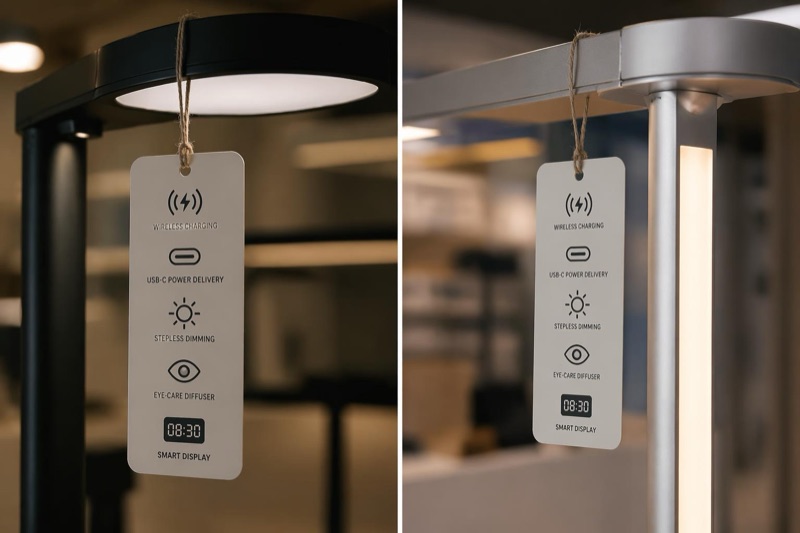
Not every feature deserves the same price premium. Wireless charging, USB-C output, smart display, adjustable color temperature, memory dimming, and foldable design can all add value, but only if the target customer understands and pays for them. A feature that increases cost without increasing sell-through becomes dead margin.
For example, wireless charging can justify a higher price in a home-office or ecommerce channel, especially when Qi compatibility and charging reliability are communicated clearly [3]. In a basic office procurement channel, the same feature may be less important than durability, simple controls, and stable supply. Eye-care positioning can support a premium, but only when the optical design, diffuser, and user comfort match the claim. Energy-efficient LED lighting is widely understood by customers, but buyers still need to connect efficiency with practical product benefits rather than generic slogans [4].
We often see buyers add too many features because each one looks inexpensive at the component level. The problem is complexity. More features can mean more testing, more failure modes, more customer questions, and more difficult packaging copy. Price only the features that support the channel’s selling argument.
Protect Margin with Quality and Defect Assumptions
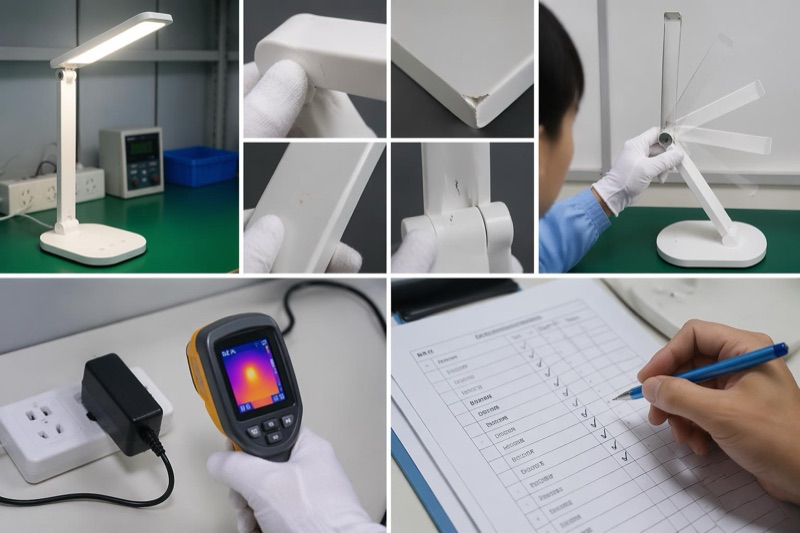
A wholesale price that assumes zero defects is not a price; it is hope. Even with a good factory, buyers should plan for inspection, spare parts, warranty handling, and a small defect allowance. With cheap desk lamps, the defect allowance must be higher because weak hinges, flickering LEDs, hot adapters, poor switches, and damaged packaging quickly create service costs.
Quality management systems such as ISO 9001 are relevant because they encourage controlled processes, but buyers still need product-specific inspection standards [5]. Define acceptable quality limits, function tests, packaging checks, label checks, and aging-test expectations before production. If you skip inspection to reduce cost, include the risk somewhere else in the margin calculation. It has not disappeared.
From a pricing perspective, better components may be cheaper than returns. A stronger hinge, heavier base, better diffuser, or more reliable adapter can raise the factory price but reduce customer complaints. The buyer’s job is to decide which upgrades protect margin and which are unnecessary. The cheapest lamp is often priced low because someone removed the cost of prevention.
Set Wholesale Tiers Around Channel Behavior
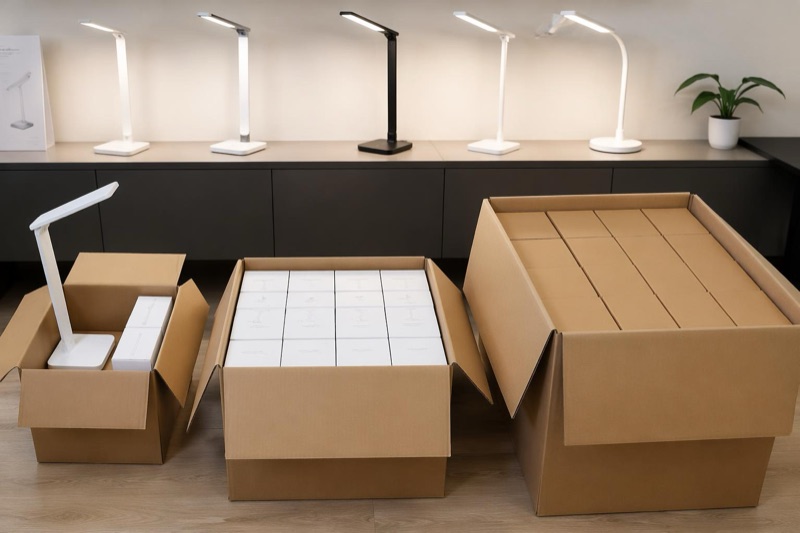
Wholesale pricing should reflect how customers actually buy. A small retailer testing 50 units, a regional distributor buying mixed cartons, and a national importer placing repeat container orders should not receive the same structure. Tiered pricing can protect margin while encouraging volume, but the tiers must be based on real cost savings, not arbitrary discounts.
Consider tiers for sample orders, trial orders, mixed-model orders, and repeat bulk orders. Royelamp’s no-MOQ policy can help buyers test products, but small orders still carry setup, handling, and packaging attention. For repeat orders, savings may come from material planning, stable artwork, reduced sampling, and smoother production. Bulk lead time is typically 30 days, but buyers should price promotions with realistic production and shipping schedules.
Private label pricing also needs a separate view. Logo printing, custom packaging, manual translation, barcode management, and carton marks may look minor, but mistakes are expensive. Add artwork approval and pre-production sample checks into the price logic. A well-priced private label program protects both sides from rushed changes and surprise charges.
Leave Room for Market Actions Without Destroying the Product

Many buyers price too tightly at launch. Then the retailer asks for a promotion, the marketplace charges more fees, freight rises, or a competitor discounts. With no margin room, the buyer pressures the supplier to cut cost. The supplier may respond by changing components, reducing packaging, or using a cheaper adapter. The product then becomes weaker, returns rise, and the brand loses the position it was trying to build.
A healthier approach is to define the target retail price, required channel margin, acceptable landed cost, and non-negotiable quality items before negotiation. If the cost is too high, adjust the feature set rather than silently degrading the product. For example, choose a simpler control panel instead of weakening the hinge. Remove a low-value display instead of reducing packaging strength. Keep the parts that protect user experience and safety.
