

Define the purchasing decision
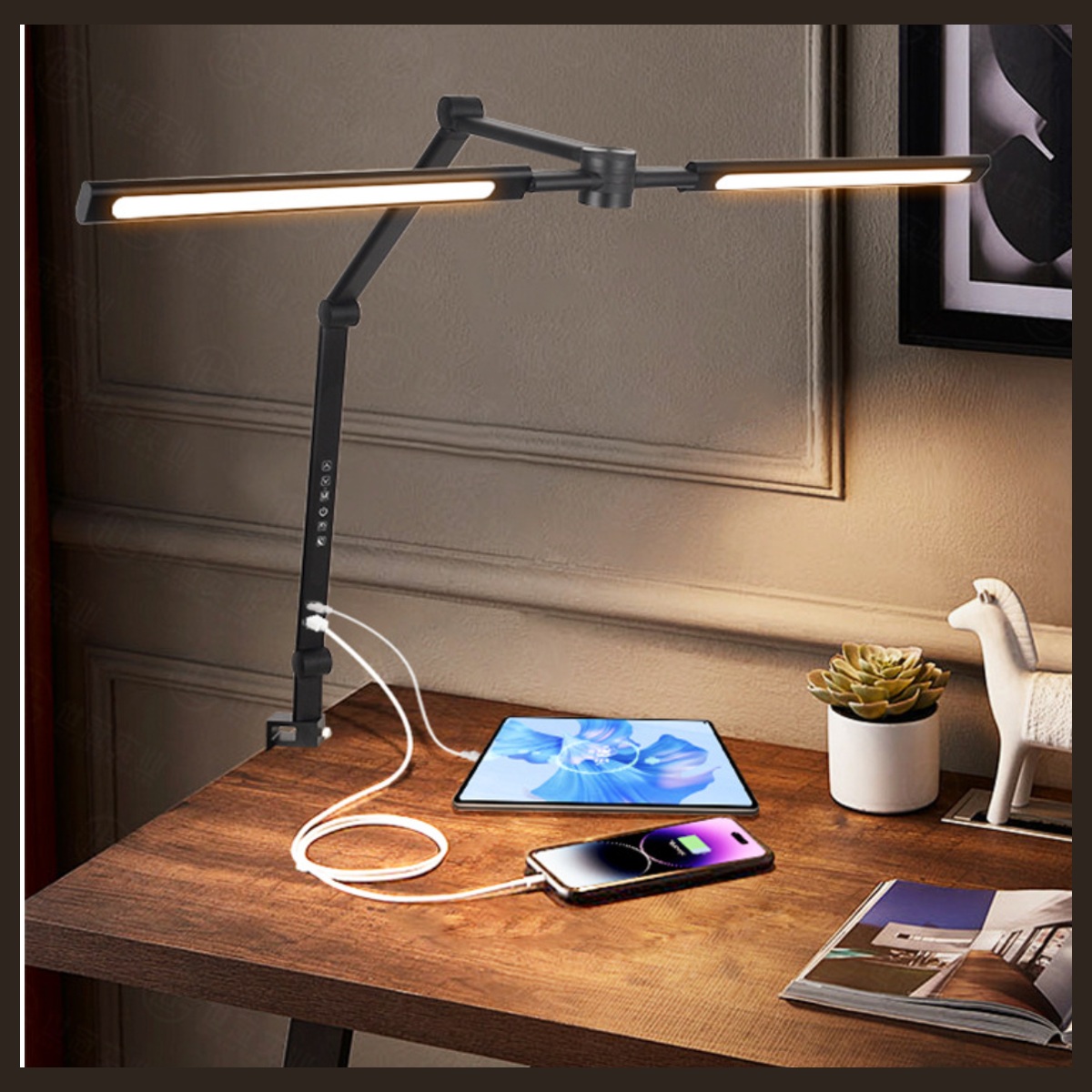
Map the device population before selecting the model. A wireless position needs a compatible receiver and correct placement, while a wired output needs a supported device and cable arrangement. Confirm each port or charging position and the conditions for simultaneous operation.
Put these checks in the buying brief
| Buying question | What to record before approval |
|---|---|
| Device matrix | List devices, required connections and supported charging arrangements. |
| User setup | Trial placement and cable access with lighting in normal use. |
| Configuration record | Keep the approved adapter, cables and compatibility scope with the quotation. |
Approve devices and power accessories together
Keep the lamp input, light-source rating and device-charging outputs separate in the specification. Test the exact device, case, cable and approved adapter combination your offer will name. Record placement and simultaneous-use behavior before approving compatibility wording.
If Qi certification is required, verify the proposed model in the Wireless Power Consortium product database. A listed wattage or a general compatibility statement is not certification evidence. Request model-specific information through the product document library.
RoyeLamp models to evaluate
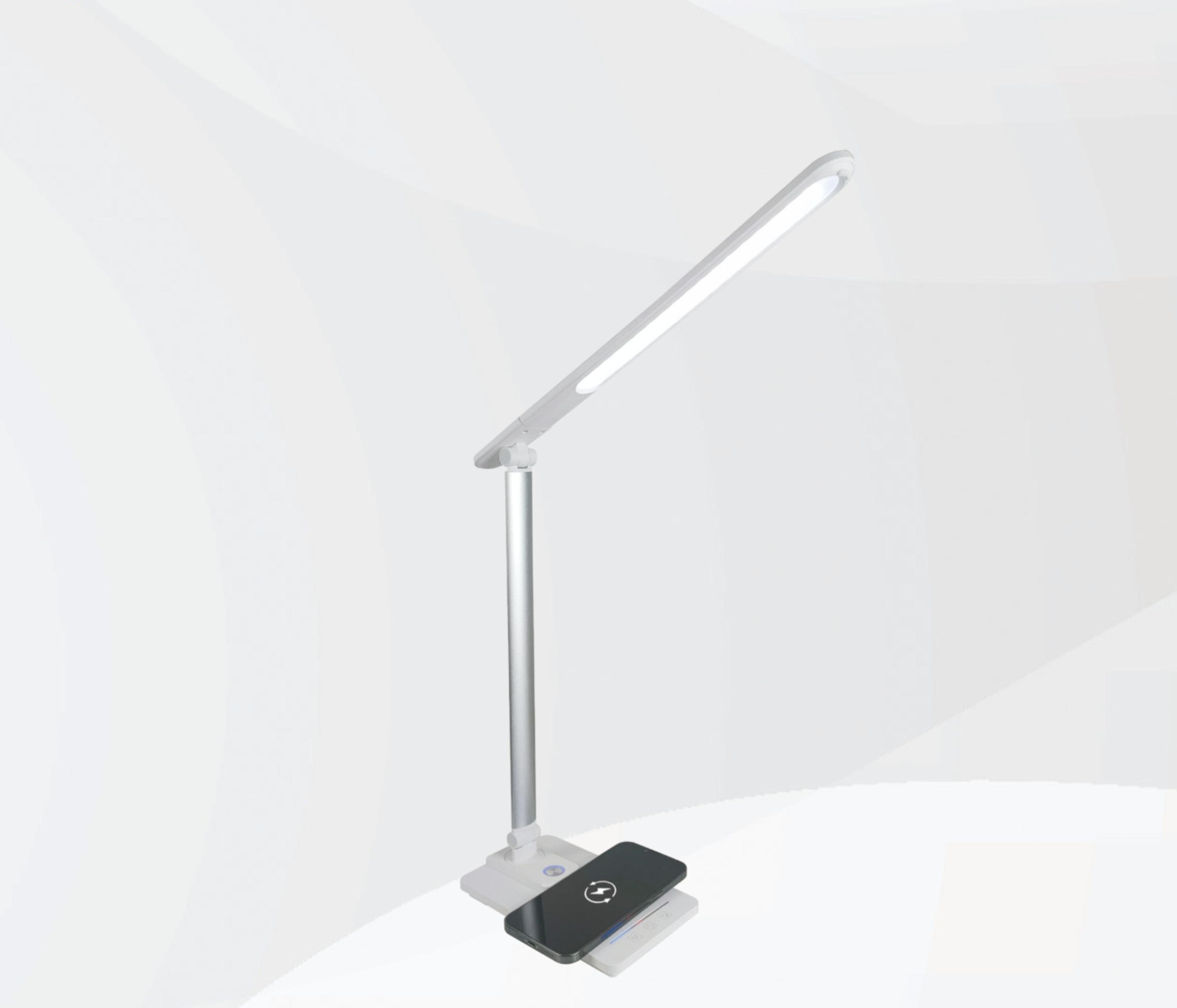
TX223A
A desk-format candidate when selectable color settings and wireless phone charging are relevant. Confirm the required controls and supported devices on the proposed sample.
Catalogue: 7W light source; 738 lm; 12V input; five listed color settings; 10W / 7.5W / 5W wireless charging.
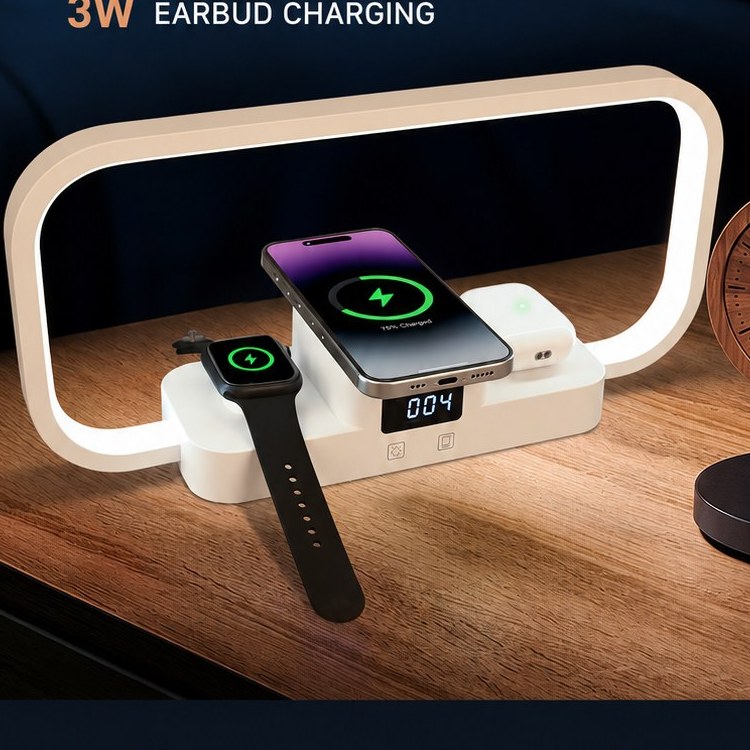
TX2230
A multifunction bedside format with several listed charging positions. Request the exact device scope and assess the complete simultaneous-use configuration.
Catalogue: 3W light source; 180 lm; five color settings; phone charging modes of 10W / 7.5W / 5W, plus listed 3W watch and 3W earbud positions.
